

Key Takeaways
Size is frequently misinterpreted as the primary component of penile health; however, the ability to maintain an erection is far more significant. Most individuals value emotional and physical intimacy over size, emphasizing the profound connection within intimate relationships.
Mental health plays a crucial role in sexual functionality. Issues such as anxiety and stress often express themselves as physical problems. Engaging in open conversations about mental health in the context of sexuality is vital for enhancing overall sexual experiences.
Identifying symptoms like persistent erectile dysfunction or painful erections is critical for long-term penile well-being. Early intervention can help prevent more serious health issues from arising.
Regular medical check-ups are essential for preventive health care, helping to detect hormonal imbalances and chronic conditions that may impact sexual function. Annual visits are beneficial for staying informed and fostering healthier sexual relationships.
The most favorable outcomes for penile health typically come from a mix of medication and therapy, which can address both physical and emotional challenges. This holistic approach often enhances intimacy and self-confidence.
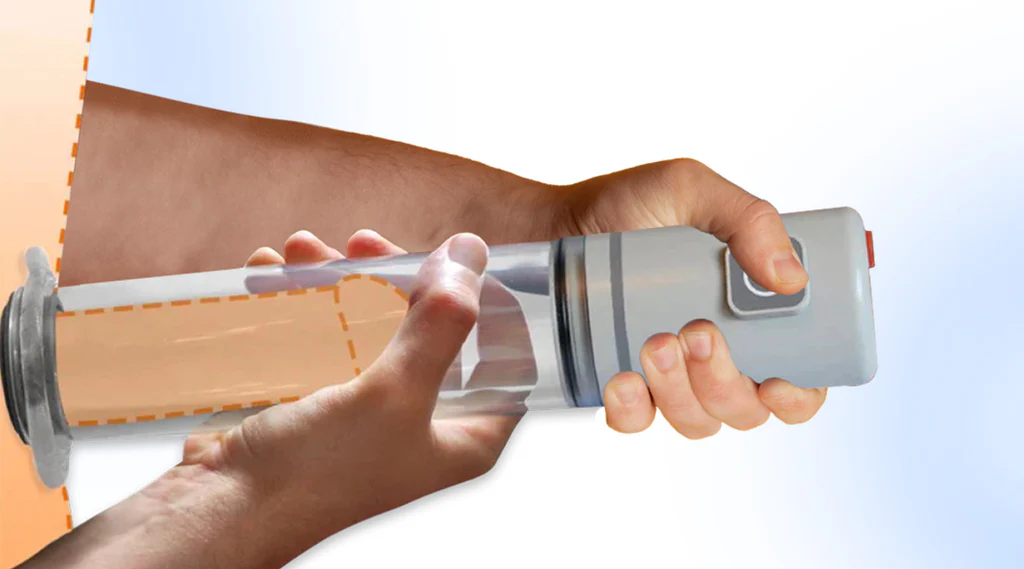
Emerging non-invasive enhancement techniques, such as shockwave therapy and vacuum devices, provide effective alternatives to traditional treatments. These options can improve blood flow and overall sexual satisfaction while avoiding the complications that may accompany surgery.
Nutritional choices and exercise are pivotal in boosting sexual function. Diets rich in antioxidants, along with regular physical activity, can enhance vascular health and testosterone levels. Minor lifestyle adjustments can lead to substantial improvements in both physical and mental well-being.
Unmasking the Myths: Common Misconceptions About Penile Health
The Facts Behind Size and Functionality
When “penile health” comes to mind, size is often the first thought. This misconception prevails widely. Size can have its place in specific contexts, but ultimately, it’s functionality that carries the most weight. For numerous individuals, the power to maintain an erection and enjoy pleasurable sexual experiences far surpasses any concerns about length or girth.
Interestingly, studies show that many people are generally more satisfied with their partners’ functionality than their size. Recent surveys suggest that about 80% of women prioritize emotional and physical closeness over mere measurements. This underlines an essential truth: intimate relationships hinge on connection rather than quantifiable dimensions. In a society inundated with unrealistic expectations, this understanding can significantly alter perspectives and elevate sexual enjoyment.
So why does this myth endure? Marketers and media often spotlight size to grab attention. Nonetheless, research suggests that functional penile health—which includes blood circulation, hormonal balance, and motivation—is far more crucial. It’s really about maintaining longevity. Men can enjoy typical sexual function regardless of size.
Dispelling the Stigma: Mental Health’s Role
While awareness of mental health continues to climb, a stigma still surrounds its relationship with sexual health, especially when it comes to penile issues. Anxiety, depression, and stress can severely hinder functionality. In fact, penile health is closely intertwined with mental wellness. Stress, for example, manifests physically, influencing the body’s response to arousal.
Professionals challenge the notion that discussions about mental health and erectile dysfunction should be confined to a therapist’s office. Seeking help and engaging in open communication isn’t a weakness; it’s a non-negotiable step toward healthier sexual experiences. Experts frequently point out the vital connection between self-image and performance anxiety, which often contributes to difficulties with intimacy.
“Recognizing the interplay between mental health and sexual functionality is crucial for full-picture well-being.”
One should also consider lifestyle factors such as sleep and nutrition, which directly relate to mental wellness. Addressing these elements can lead to remarkable improvements, fostering a healthier cycle of intimacy and emotional satisfaction.
Recognizing Symptoms: When Should Professional Help Be Sought?
Identifying Warning Signs Early
Many individuals hesitate to acknowledge warning signs that might indicate more serious issues. Nonetheless, knowing when to seek professional help is essential for long-term health. Symptoms like persistent erectile dysfunction, painful erections, or unusual discharge require prompt medical evaluation.
Men often dismiss subtle signs, attributing them to stress or fatigue. It’s crucial to highlight this: ignoring symptoms can lead to larger complications down the road. Early attention to issues can reduce risks. Common warning signs include:
- Difficulty achieving or maintaining an erection
- Reduced sexual desire
- Altered sensations in the penis
- Pain during erections or intercourse
Each of these could indicate an underlying condition. Overlooking them may result in harmful consequences for both physical and emotional well-being. Professionals advise having candid conversations about symptoms to enable timely interventions.
The Importance of Routine Check-ups
Regular medical check-ups often fall by the wayside for many men. However, these visits are vital for preventative health. Routine screenings are key for spotting potential issues, including hormonal imbalances, circulatory problems, or chronic conditions like diabetes, all of which can significantly impact sexual function.
Experts strongly recommend annual visits for those of a certain age. During these check-ups, healthcare providers can evaluate overall health, address any concerns regarding penile issues, and recommend proactive measures suited to individual health profiles.
- Schedule an annual physical with a healthcare provider.
- Discuss any changes in sexual function openly and honestly.
- Keep track of symptoms and their frequency before the visit.
Committing to regular health assessments need not be intimidating. It’s simply an investment in well-being. Attending these appointments promotes awareness and understanding, which cultivates stronger, healthier sexual relationships.
Exploring Treatment Options: What Works and Why
Medication vs. Therapy: A Thorough View
The array of treatment options for penile health has broadened greatly over the years, drawing attention from various perspectives. For many, medication remains the first line of defense. PDE5 inhibitors, including Viagra and Cialis, continue to dominate treatment protocols due to their proven effectiveness. Yet, medication alone is not a panacea.
Therapy offers essential benefits that are often overlooked. Psychosexual therapy targets emotional hurdles that medication alone cannot address, showcasing the strong interrelation of mind and body. Evidence suggests a considerable overlap between mental health therapy and improvements in physical health. Integrating both approaches usually yields the most favorable results.
“While medications can be effective, therapeutic engagement can open doors to a deeper understanding of issues.”
This comprehensive approach can manifest in several forms:
- Cognitive Behavioral Therapy (CBT) for anxiety management
- Couples therapy to strengthen relationship dynamics
- Sex therapy focused on intimate techniques and communication
By combining medication with therapy, clients frequently find a pathway to not only improved erections but also renewed confidence and intimacy.
Innovations in Penile Enhancement Techniques
In recent years, interest in novel enhancement techniques has surged. Though surgical options exist, they represent only a small portion of what’s available today. Non-invasive treatments, like shockwave therapy, are showing promising results for boosting blood flow and enhancing erectile function.
New technologies are also becoming more popular, including vacuum devices and injectable treatments that provide alternatives to traditional medications. Experts suggest that these non-invasive methods can supplement classical treatments, offering options for those averse to medications or surgeries.
- PE therapies can boost self-esteem by altering perceptions of size and functionality.
- Non-invasive procedures often result in quicker recovery times and reduced risks.
- Clients frequently report increased satisfaction, not just physically, but emotionally as well.
It’s clear that innovation continues to mold the future of penile health. As new treatments surface, understanding their potential applications becomes indispensable.
Lifestyle Adjustments: How Routine Choices Impact Masculine Health
Nutrition and Its Connection to Sexual Function
The saying “you are what you eat” carries more truth than many might think. Nutrition affects not just physical health but also sexual function. Diets rich in antioxidants, healthy fats, and vitamins can fortify blood flow and hormonal balance, essential for optimal erectile performance.
Foods such as nuts, fruits, and vegetables are renowned for their positive impact on vascular health. Experts highlight the essential link between diet and blood circulation. Incorporating leafy greens, fruits, and whole grains into daily meals can greatly enhance well-being. Some beneficial foods include:
- Dark chocolate, known for its flavonoids that promote blood flow.
- Omega-3 fatty acids found in fish that promote circulation.
- Fruits like watermelon, which contain citrulline, supporting vascular health.
Simple dietary adjustments can yield major rewards. Such changes not only contribute to healthier sexual experiences but also bolster self-esteem, fostering a cycle of overall well-being.
Exercise: The Unsung Hero of Sexual Health
Regular physical activity tends to be overlooked in discussions about penile issues, an oversight that can’t be ignored. Exercise serves as a natural stimulant for testosterone levels and cardiovascular fitness. It’s a natural remedy; prescriptions aren’t necessary!
Notably, research indicates that men who regularly partake in cardiovascular activities report enhanced erectile function. Engaging in cardiovascular exercise strengthens heart health, which directly relates to adequate blood flow to the penis.
- Target at least 150 minutes of moderate aerobic exercise each week.
- Incorporate strength training at least twice weekly to raise testosterone levels.
- Consider yoga, which can boost flexibility, lower stress, and enhance body awareness.
Integrating exercise into daily routines is not only attainable but also impactful. Starting small and gradually escalating can lead to improved sexual health, which can, in turn, enhance mental well-being and self-image.
It’s crucial to acknowledge that nutrition and exercise are both instrumental in maintaining penile health. When thoughtfully combined with treatment and lifestyle strategies, a proactive framework develops—a comprehensive approach to men’s health.
FAQ
What specific lifestyle changes can enhance penile health?
Experts suggest prioritizing both nutrition and physical fitness. A diet filled with antioxidants, healthy fats, and key vitamins is critical. Routine exercise, especially cardiovascular activities, can elevate testosterone levels and boost blood circulation, directly benefiting sexual function.
How do stress and anxiety manifest in sexual dysfunction?
Stress and anxiety can disrupt the body’s ability to process arousal, resulting in challenges like erectile dysfunction. Mental health struggles often express themselves as physical symptoms, underscoring the importance of open conversations and potential therapy to restore confidence.
Are there age-related changes that can affect penile health?
Absolutely. With age, hormonal levels can fluctuate, impacting sexual function directly. Thus, regular health check-ups become increasingly important for managing these shifts and addressing potential underlying conditions that can influence intimacy and overall health.
What role do hormones play in sexual health?
Hormones, particularly testosterone, are crucial in maintaining libido and erectile function. Any imbalances may lead to significant disturbances in sexual health. Regular monitoring during medical examinations can identify issues early and enable timely interventions.
What is psychosexual therapy, and how can it help?
Psychosexual therapy aims to tackle emotional obstacles to intimacy, addressing concerns such as performance anxiety or relationship dynamics. By exploring both mental and physical facets of sexual health, clients can achieve a deeper understanding and see improvements in their sexual relationships.
How can communication with a partner improve sexual health?
Open communication about desires, worries, and emotions can greatly enhance intimacy. Partners who openly discuss their sexual health often develop increased trust and satisfaction, fostering a healthier overall sexual dynamic.
What non-invasive techniques are available for penile enhancement?
Recent advances include options such as shockwave therapy and vacuum devices, which can enhance blood flow and improve sexual function. These alternatives frequently provide effective solutions to traditional medications, offering clients less invasive routes to enhanced sexual health.
Why is it essential to recognize symptoms early?
Identifying symptoms like erectile dysfunction at an early stage can help avert serious health issues from developing. Promptly addressing such concerns not only bolsters physical health but also promotes better mental well-being and intimacy in relationships.
Useful Resources
- Mayo Clinic– A trusted source for medical information on men’s health and penile issues.
- JAMA Network– A comprehensive resource for research articles on sexual health and functionality.
- Healthline– Read articles on mental health and its connection to sexual function.
- Psychology Today– Insights regarding the psychology of sexual health and intimacy.
- PubMed– A database of scientific studies related to penile and sexual health.
- WebMD– Offers health information and resources focused on erectile dysfunction and wellness.
- Agency for Healthcare Research and Quality (AHRQ)– Provides research and resources on preventive health strategies.
- Centers for Disease Control and Prevention (CDC)– Information on sexual health and preventive care approaches.