

Key Takeaways
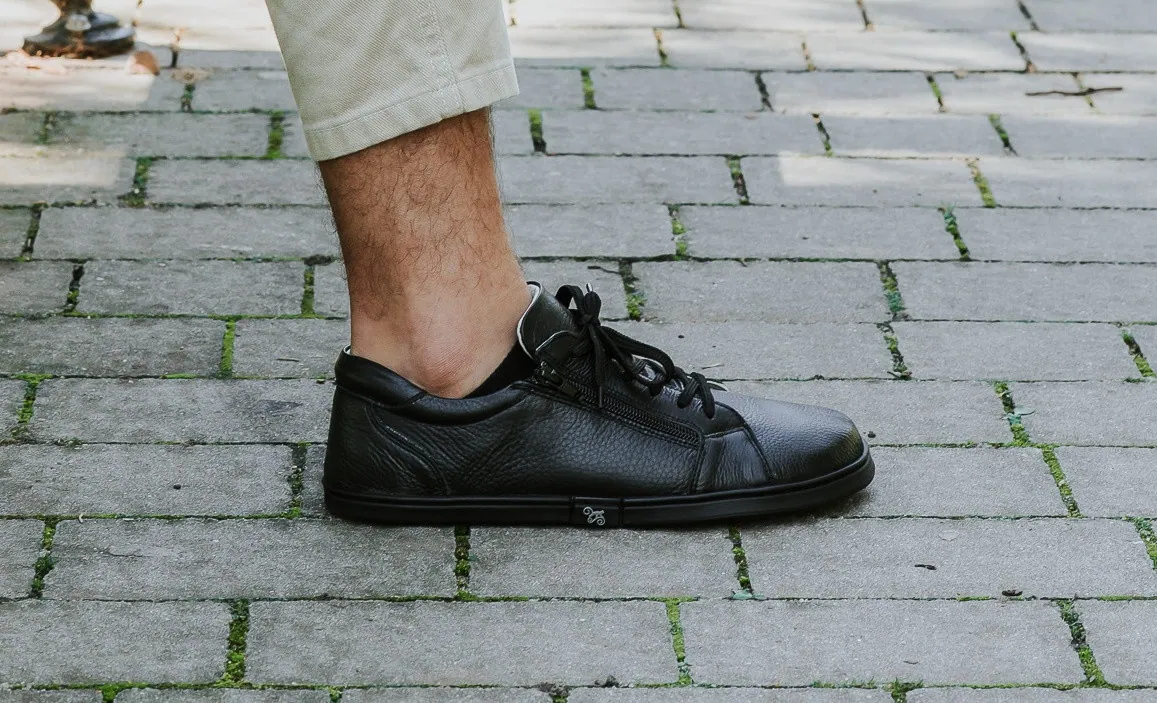
Barefoot leather shoes encourage natural movement, enhancing foot health by engaging intrinsic muscles and improving balance. This approach effectively reduces common foot ailments.
With their zero-drop soles, barefoot leather shoes enable even weight distribution, decrease strain on the Achilles tendon, and enhance postural alignment.
Selecting barefoot leather footwear requires careful consideration of fit, material, weight, and flexibility to maximize comfort and promote a natural walking style.
Because foot shapes differ vastly from person to person, a personalized approach to shoe selection is vital for improving comfort and performance in barefoot leather shoes.
Barefoot leather shoes offer increased foot flexibility and terrain awareness compared to traditional styles, ultimately leading to less discomfort and stronger feet over time.
The use of quality leather in barefoot shoes guarantees both durability and comfort, as it molds to the foot while ensuring a stylish look and structural integrity that lasts.
Transitioning to a barefoot lifestyle demands a gradual adaptation, but users often find substantial benefits, including greater freedom of movement and enhanced overall well-being.
Revolutionary Comfort: The Science Behind Barefoot Leather Shoes
How Natural Movement Enhances Foot Health
When it comes to achieving ultimate comfort, the importance of natural movement can’t be overlooked. Footwear that allows for a more organic gait substantially improves foot health. Experts in footwear design state that shoes mimicking the barefoot experience help engage the intrinsic muscles of the feet. It’s similar to providing the foot its own workout. This strategy not only enhances balance but also minimizes the risk of common issues like bunions or plantar fasciitis.
Natural movement isn’t merely a fad; it’s a groundbreaking concept in foot health. Numerous studies support the idea that unrestricted feet flourish. Strengthening the natural arches and permitting multi-directional movement aids in injury prevention while promoting general well-being. Can any footwear truly replicate these benefits while still appearing stylish? Barefoot leather shoes seem to have that covered.
“The right shoes let your feet do what they naturally know how to do.”
The Role of Zero-Drop Soles in Foot Functionality
Zero-drop soles represent a significant innovation in barefoot leather shoes. Unlike typical footwear, which often elevates the heel, zero-drop designs ensure more balanced weight distribution. This subtle change can transform foot functionality. Clients frequently mention diminished strain on the Achilles tendon and calves, resulting in better postural alignment. Indeed, reduced injury risks contribute to happier feet.
But functionality isn’t the only benefit. By respecting foot anatomy, users often find enhanced flexibility in their steps. The ground feel provided by zero-drop soles fosters a connection to the environment that conventional padded shoes simply cannot match. In an increasingly unnatural world, how valuable is that connection?
Choosing the Right Barefoot Leather Footwear for You
Factors to Consider When Selecting Your Perfect Pair
Finding the right barefoot leather footwear doesn’t have to be daunting. Once professionals understand critical factors to consider, making informed choices becomes easier. Some key features to focus on include:
- Fit: There must be sufficient space for the toes; a cramped feel is not ideal.
- Material: High-quality leather that offers flexibility and durability is essential. Seek soft, breathable alternatives.
- Weight: Lighter shoes generally enhance comfort, enabling freer movement.
- Flexibility: A good shoe should flex at the ball of the foot rather than the middle.
Clients often remark on the distinct feel of these shoes compared to traditional footwear. That’s a positive indicator; it highlights innovative design. Each step in barefoot leather shoes should promote a natural stride, ultimately benefiting overall foot health.
Understanding Foot Shapes and Finding the Fit
Feet come in all kinds of shapes and sizes. Therefore, selecting the right shoes requires a tailored approach. Knowing one’s foot shape plays a critical role in the selection process, affecting both comfort and performance. For example:
- Wide Feet: Brands that offer wider toe boxes are ideal.
- Narrow Feet: A snugger fit provides better foot support.
- High Arches: Additional cushioning may be necessary.
- Flat Feet: Supportive shoe structures can enhance stability.
Users are often surprised at how markedly the right fit can influence overall comfort and experience. When a shoe accommodates the unique shape of a foot, many report a newfound freedom in their movements. That’s the goal, after all — the freedom to move naturally.
Real World Benefits: Why Barefoot Leather Shoes Stand Out
Comparing Barefoot Shoes to Traditional Footwear
Contrasting barefoot leather shoes with traditional footwear highlights some stark differences. Traditional options often restrict natural movement. Imagine stiff materials and raised heels that limit a foot’s ability to flex and adapt. In contrast, barefoot designs allow feet to spread out, connect with the terrain, and move as they were meant to.
“Barefoot is how nature intended it.”
Increasingly, clients report fewer aches and pains once they switch to barefoot options. The reason? Flexibility, ground feel and the freedom for toes to splay work together, enhancing mechanics. Over time, users often find their feet become notably stronger — a true advantage!
Durability and Style: The Long-Term Value of Quality Leather
Another major draw of barefoot leather shoes is their long-lasting value. High-quality leather offers more than just good looks; it ensures durability. With time, leather molds to the foot, enhancing comfort while maintaining the shoe’s structural integrity. Clients appreciate the investment in durable, quality footwear.
Keep in mind, trends may shift, but classic leather never goes out of fashion. Unlike synthetic materials that wear down quickly, leather develops character and ages gracefully. It’s easy to see why many opt for these shoes — they’re made to endure. Such thoughts can be comforting in an ever-evolving marketplace.
- Stylish designs go hand in hand with functionality.
- Versatile styles work equally well for formal and casual settings.
- Investing in quality proves economical in the long run.
Customer Experiences: Testimonials from Barefoot Shoe Users
Adapting to Barefoot Living: What New Users Should Know
For newcomers, transitioning to barefoot living can feel refreshing. Yet, some guidance can ease the adjustment. Experts often recommend a gradual approach to wearing them. Slowly increasing the duration of use allows feet to adapt comfortablly. It’s common for users to experience minor discomfort initially as their feet adjust.
Many customers rave about the positive impact on their lives. Walking in barefoot or minimalist shoes encourages a more natural gait. Initially, the soreness fades, giving way to a more uplifting, connected experience. Just take a look at the feedback:
- “My feet felt liberated!”
- “I can walk longer distances without discomfort.”
- “I never knew my feet could feel so good!”
Stories of Comfort: Powerful Journeys with Origo Shoes
Choosing barefoot leather shoes often leads to transformative journeys. Users of Origo shoes share deeply resonant experiences within their community. Many report life changes that go beyond the physical; they often find an enhanced sense of mental well-being. Walking naturally restores a connection that feels almost spiritual.
Over time, individuals have discovered newfound strengths and a reconnection with the ground beneath them. Inspiring tales of lives changed through a simple footwear shift abound. These aren’t merely shoes; they’re an invitation to embrace a lifestyle that honors the body’s wisdom.
“My Origo shoes transitioned me into a new way of living.”
Such stories encourage others to rethink their footwear choices. For many, it’s an awakening — one where comfort and health finally take precedence. Isn’t that what everyone strives for? To feel better and stronger with every step?
FAQ
How do barefoot shoes compare to minimalist running shoes?
Barefoot shoes and minimalist running shoes indeed share common ground, but barefoot options prioritize natural foot movement and anatomical accuracy. While minimalist variations still offer some cushioning, barefoot shoes typically feature zero-drop soles and less restrictive materials, resulting in a more genuine ground feel. Clients often mention that barefoot shoes provide an even more liberating experience compared to minimalist models.
Can barefoot leather shoes be worn for all types of activities?
Absolutely, barefoot leather shoes are multifunctional, suitable for casual strolls as well as more intense activities like hiking. Their design encourages foot health across various terrains. However, clients should still assess the specific needs of each activity for optimal support and protection.
What kind of maintenance do barefoot leather shoes need?
Maintaining barefoot leather shoes is quite simple. Regular cleaning with a damp cloth keeps them looking fresh, while periodic conditioning with an appropriate leather conditioner helps retain flexibility and durability. Clients often find that tending to their shoes enhances both appearance and longevity.
How long does it typically take to transition to barefoot living?
Transition times to barefoot living differ from person to person, but experts commonly suggest a gradual approach. Starting with short wear periods and gradually increasing them over several weeks allows feet the chance to acclimate. Many users discover that giving their feet ample time to adjust results in a more comfortable and enjoyable experience.
Are barefoot shoes suitable for people with foot issues?
For numerous individuals with existing foot conditions, barefoot shoes can prove beneficial. They encourage natural movement and strengthen foot muscles, which could alleviate discomfort over time. Still, it’s essential for clients with specific foot concerns to consult healthcare professionals beforehand, ensuring a tailored plan that meets their unique needs.
What are the signs that barefoot leather shoes are the right fit?
Clients typically notice a few clear indicators of a proper fit. There should be enough room in the toe box; shoes shouldn’t pinch or rub, and users should feel a natural connection to the ground. Fulfilling those criteria generally suggests that the shoes promote a comfortable fit and facilitate healthy movement.
Can barefoot leather shoes improve athletic performance?
Many athletes have reported enhanced performance from using barefoot leather shoes. The design encourages better biomechanics, strengthens foot muscles, and promotes more natural running or walking techniques. Clients frequently observe improved agility and balance over time, yielding benefits in their athletic pursuits.
How do different leather types affect the comfort of barefoot shoes?
The leather type distinctly influences the comfort and flexibility of barefoot shoes. Softer, more supple leathers conform to foot shapes and offer breathable ease. In contrast, stiffer leathers might require longer break-in periods. Clients should explore various options to identify the leather that meets their preferences, with comfort as the priority.