

Getting Started: What You Need to Know About Plasma Donation
Understanding Plasma and Its Beneficial Role
Plasma is the liquid portion of blood, comprising about 55% of total blood volume. It is a pale yellow fluid that serves multiple essential functions in the body, including transportation of nutrients, hormones, and proteins to cells. Plasma also plays a key role in maintaining blood pressure and volume, balancing electrolytes, and aiding in the clotting process. Furthermore, plasma contains proteins such as immunoglobulins and clotting factors, making it vital for treating various medical conditions, including immune deficiencies and hemophilia. When you donate plasma in New Jersey, your contribution can help save lives and support individuals undergoing surgeries, trauma care, or those with chronic illnesses. Understanding plasma’s vital role can heighten your motivation to participate in this humanitarian effort.
Who Can Donate Plasma? Eligibility and Requirements
To begin your journey in plasma donation, it’s essential to understand the eligibility requirements set forth by the Food and Drug Administration (FDA) and the American Association of Blood Banks (AABB). Generally, plasma donors must be at least 18 years old, weigh a minimum of 110 pounds, and be in good health. Prior to donation, potential donors are typically screened through a detailed questionnaire and medical examination to assess their overall wellness and suitability. Specific health conditions or medications may temporarily disqualify individuals from donating, including recent surgeries, infections, or chronic illnesses. It’s also important to note that individuals who have traveled to certain countries may be subjected to deferred eligibility due to risks associated with certain diseases. Ultimately, staying informed about the qualifications ensures a smooth donation process.
Myths and Facts: Debunking Plasma Donation Misconceptions
As with many medical procedures, plasma donation is often surrounded by myths and misconceptions that can deter eligible donors. One common myth is that donating plasma is painful; in reality, most donors report minimal discomfort, akin to a standard blood draw. Another misconception is that only people with specific medical backgrounds can donate plasma, when in fact, as long as you meet the basic health criteria, anyone can participate. Additionally, many people fear that donating plasma will negatively impact their health. However, when done responsibly and within regulatory guidelines, plasma donation is a safe process with little to no adverse effects. Addressing these myths not only informs potential donors but also encourages participation in this life-saving procedure.
Finding the Right Plasma Donation Center in New Jersey
Top Plasma Donation Centers: A Look at Your Options
New Jersey is home to several reputable plasma donation centers that operate under strict health and safety guidelines. Prominent facilities include Octapharma Plasma, CSL Plasma, and Grifols, each known for their commitment to donor safety and care. Octapharma, with locations in major cities, excels in providing a welcoming environment and efficient service. Meanwhile, CSL Plasma offers competitive compensation packages to its donors, about $400 per month based on frequency of donation, making it a popular choice among those seeking both financial and altruistic rewards. Lastly, Grifols maintains high standards of disease testing and donor screening, ensuring the safety of both the donor and the community. Exploring various options will help you find a center that aligns with your needs and preferences.
How to Choose a Plasma Center: Key Factors to Consider
Selecting the right plasma donation center goes beyond mere location; it’s about the overall experience and services offered. Consider the center’s accreditation and compliance with FDA standards, as these guarantee that your donation will be handled with the utmost care. Take into account the donation center’s operating hours, as convenience can be a decisive factor favorable to your donation frequency. Furthermore, look for centers that offer donor incentives, such as referral bonuses or health screenings, as these add value to your experience. Personal testimonies from previous donors can also provide insightful perspectives about the center’s environment, staff professionalism, and overall donor care. Doing thorough research helps you make an informed decision that meets your personal needs.
What to Expect During Your First Visit: A Step-by-Step Overview
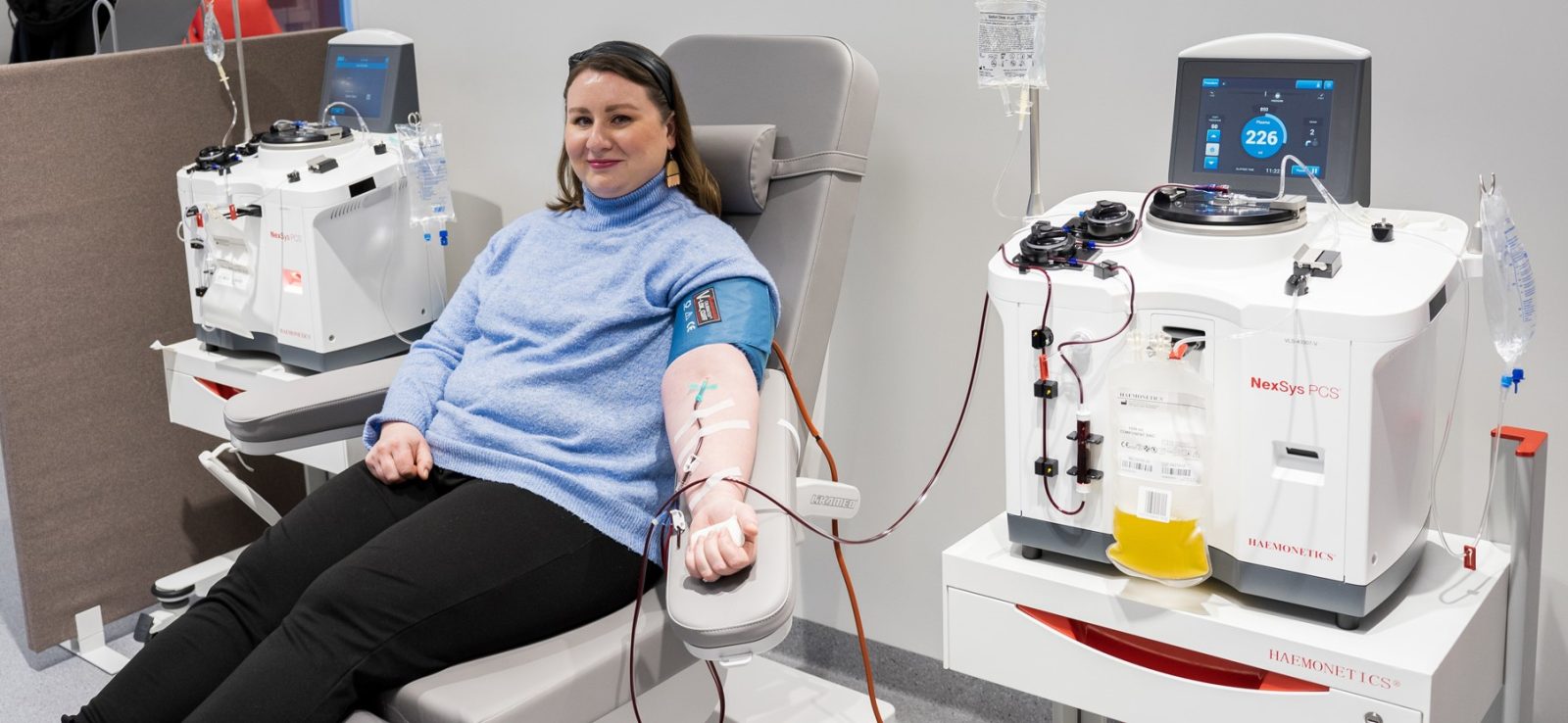
For first-time donors, the prospect of donating plasma can be both exciting and nerve-wracking. Your journey begins with registering at the donation center, where you’ll fill out an extensive questionnaire about your medical history and lifestyle. Afterward, a trained medical staff member will conduct a physical examination, including checking your blood pressure, pulse, and hemoglobin levels. Once cleared, you’ll be seated in a comfortable donation chair where the actual plasma donation will take place. This process typically lasts around 90 minutes, including preparation and post-donation rest. You may be connected to an apheresis machine that separates plasma from other blood components while returning the red blood cells back to your bloodstream. Post-donation, you will be advised to rest for a brief period and hydrate adequately before leaving the facility.
The Plasma Donation Process: What Happens from Start to Finish
Preparing for Your Donation: Tips for a Smooth Experience
Preparation plays a crucial role in a positive plasma donation experience. First, ensure you are well-hydrated before your appointment. Drinking plenty of water at least 24 hours in advance helps facilitate a quicker donation process and minimizes potential side effects. Eating a balanced meal rich in protein and iron the morning of your donation is equally important, as it helps stabilize your blood sugar and supports your energy levels. Avoiding caffeine and alcohol in the hours leading up to your appointment is advised, as these substances can lead to dehydration. Additionally, ensure you bring valid identification and any required documentation to expedite your visit. Proper preparation not only smooths the process but also enhances your overall comfort during donation.
The Donation Procedure: A Behind-the-Scenes Look
The actual plasma donation procedure operates through a well-coordinated process governed by medical standards to ensure donor safety. After being seated, the phlebotomist will clean the area of your arm where the needle will be inserted. A sterile needle attached to the apheresis machine will extract your blood, which is then processed to separate red blood cells and platelets from the plasma. This procedure typically lasts around 30-45 minutes, and donors are generally encouraged to engage in light conversation or distraction through mobile devices to alleviate any anxiety during this period. The use of advanced medical equipment ensures that the donor’s experience is as comfortable and efficient as possible. Understanding this behind-the-scenes operation can ease any anxiety related to the donation process.
Aftercare and Recovery: How to Ensure a Healthy Donation
After your donation, it’s vital to focus on recovery to ensure a smooth post-donation experience. Resting for approximately 15-30 minutes at the center allows your body to readjust after the donation. During this time, enjoy a snack offered by the center—often including juice and cookies—to regain energy and stabilize your blood sugar levels. Hydration is key; continue to drink water throughout the day and avoid heavy physical activities for at least 24 hours. If possible, schedule your donations during a time when you can be free of other significant tasks afterward, allowing ample time for your body to recuperate. Additionally, listen to your body and monitor for any unusual symptoms, such as dizziness or excessive fatigue, and reach out to the donation center if needed. Taking these measures helps promote a healthy donation experience and ensures your continued participation in this impactful act.
Compensation and Benefits: Is Plasma Donation Worth It?
The Financial Incentives: What Can You Expect to Earn?
In New Jersey, plasma donation centers often provide compensation for your time and effort. Donors can generally expect to earn between $20 to $50 per donation, depending on the facility and any promotional offers that may be available. Additionally, many centers offer compensation based on frequency of donations or special incentives for first-time donors. For example, donors who commit to regular donations can see their compensation exceed $400 a month. Understanding these financial incentives can motivate individuals to donate regularly, helping to meet the increasing demand for plasma in medical treatments.
Health Benefits: The Positive Impact of Donating Plasma on Your Wellbeing
While the financial compensation can be appealing, many donors participate for the profound health benefits associated with plasma donation. Research links regular donations to improved health markers, including enhanced liver function and lowered cholesterol levels. The process of donating plasma also encourages healthy blood circulation and assists your body in regenerating new blood cells. Furthermore, the routine medical screening you undergo before donation can serve as a preventative measure, identifying any undiscovered health concerns. Engaging in plasma donation also instills a sense of community service, as many donors report an uplifting feeling of contributing to a greater cause and making a positive difference in the lives of patients in need.
Stories from Donors: Real-Life Experiences and Rewards of Plasma Donation
Real-life stories from plasma donors offer insight into the personal rewards and experiences associated with this altruistic act. Many donors express feelings of fulfillment and connection to the community while sharing their experiences with others who may also support this initiative. For instance, a donor named Sarah shared her journey of donating plasma, emphasizing how it has not only helped others but fostered friendships with fellow donors and staff at the center. Another donor, John, who donates weekly, asserts that it has become a part of his life’s routine, allowing him the satisfaction of contributing to saving lives while also supporting his health. These narratives underline the personal and social significance of plasma donation, reinforcing its impact beyond just the physical act itself.
FAQ
Question: What types of health conditions may temporarily disqualify me from donating plasma? – Certain health conditions such as recent surgeries, infections, or chronic illnesses may temporarily prevent you from being eligible to donate plasma. It’s important to undergo a thorough health screening prior to donation.
Question: How does the apheresis machine work during plasma donation? – An apheresis machine separates your blood into its components, extracting the plasma while returning red blood cells and platelets back to your body. This ensures that the donation process is efficient and safe.
Question: Can I donate plasma if I have a tattoo or piercing? – Yes, individuals with tattoos or piercings can typically donate plasma, as long as the tattoo is healed and it’s been more than a certain number of months since the procedure, depending on state regulations.
Question: Is there a maximum number of times I can donate plasma each month? – Yes, most plasma donation centers allow individuals to donate twice a week, totaling up to 8 times a month, while ensuring adequate recovery time between donations.
Question: Will my donations be used for specific medical treatments or conditions? – Yes, the plasma donated can be used for various medical treatments, including therapies for immune deficiencies, clotting disorders, and for individuals undergoing surgeries or recovering from traumatic injuries.
Question: What forms of identification do I need to bring to a plasma donation center? – You will typically need to bring a valid government-issued photo ID, such as a driver’s license or passport, to confirm your identity and eligibility for donation.
Question: Are there any age restrictions for donating plasma? – Yes, you must be at least 18 years old to donate plasma, as this is a regulatory requirement to ensure the safety and health of donors.
Question: How can I find additional donation centers besides the ones listed in the article? – You can find more donation centers by researching online, checking local blood donation websites, or contacting local health organizations for recommendations on accredited plasma donation facilities in your area.
Useful Resources
- American Red Cross
- S. Food and Drug Administration (FDA)
- American Association of Blood Banks (AABB)
- Plasma Resources
- Centers for Disease Control and Prevention (CDC)
- National Institutes of Health (NIH)
- America’s Blood Centers
- National Blood Donation Center