

The Science Behind Botox: How It Works and What to Expect
The Mechanism of Action: Neuromodulation Explained
At its core, Botox, short for botulinum toxin, is a powerful neuromodulator that alters the way nerve signals interact with muscles. The active ingredient in Botox is botulinum toxin type A, which is derived from the bacterium Clostridium botulinum. When administered, Botox blocks the release of acetylcholine, a neurotransmitter responsible for the contraction of muscles. This inhibition leads to a temporary reduction in muscular activity, specifically in the areas where it is injected.
This mechanism is crucial for both its cosmetic and medical applications. For aesthetic purposes, injected Botox reduces the appearance of fine lines and wrinkles by preventing the overactive muscle contractions that cause skin creasing. In therapeutic settings, such as the treatment of migraines or excessive sweating, Botox helps by relaxing and relieving the tension in specific muscle groups or blocking the nerve signals that induce sweating. Understanding this sophisticated interaction between the nervous system and muscular function is vital for those considering Botox, as it underscores both the science and artistry behind effective treatment.
What Happens During a Botox Treatment Session?
A Botox treatment session typically unfolds with significant attention to detail, beginning with a thorough consultation with a qualified provider. During this initial meeting, the practitioner will assess your medical history, discuss your aesthetic goals, and evaluate the areas you wish to treat. This personalized approach helps establish a tailored treatment plan, ensuring that the procedure aligns with your individual needs and expectations.
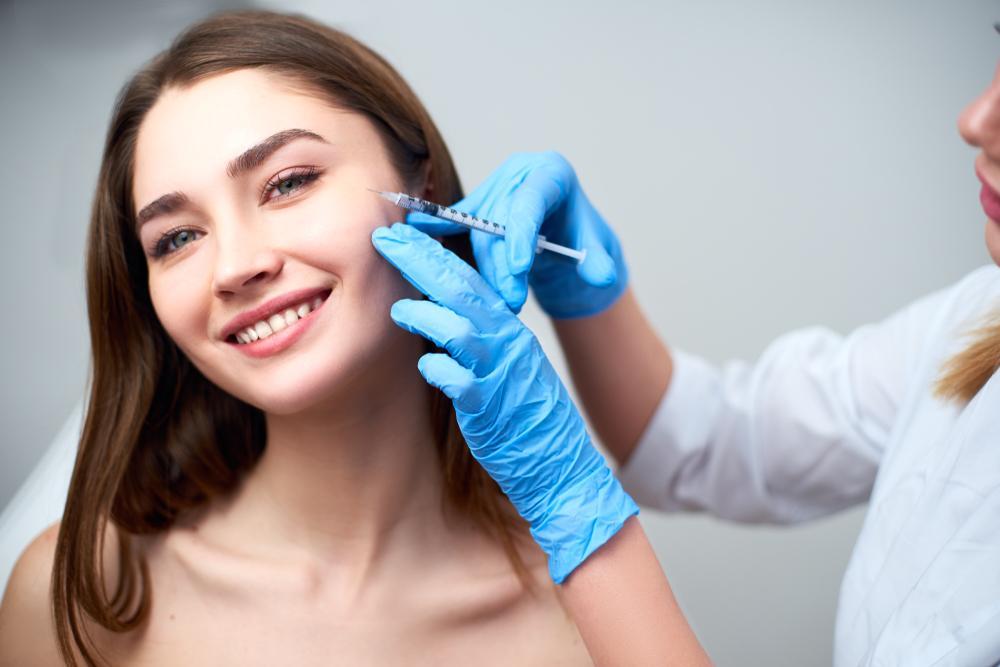
On the day of the injection, the process usually begins with the cleansing of the targeted area to minimize the risk of infection. Depending on the sensitivity of the region being treated, a topical anesthetic may be applied to mitigate discomfort. The practitioner will then use a fine needle to administer the Botox into specific muscles. The number of injections needed varies based on the treatment area; for example, frown lines may require multiple injection sites for optimal results.
The entire session is relatively quick, often taking only 10 to 30 minutes. Most patients experience minimal discomfort, often likening the sensation to a slight pinch. Post-injection, some swelling or redness might occur at the injection sites, but these effects are generally mild and short-lived. Patients are advised to remain upright for a few hours following treatment and to avoid strenuous activities for a short period to allow the Botox to settle effectively. Understanding these steps prepares patients to engage with the treatment confidently and ensures they know what to expect as they embark on their Botox journey.
Post-Treatment Care: Tips for Optimal Results
Following a Botox treatment, patients play a crucial role in ensuring the longevity and effectiveness of the results. Post-treatment care significantly impacts the efficacy of the neuromodulator, and adhering to recommended guidelines can enhance the overall outcome. One of the most important recommendations is to avoid lying down or engaging in vigorous physical activity for at least four hours after receiving the injections. This precaution helps prevent the Botox from migrating to unintended areas, which could lead to undesired effects.
Additionally, patients should refrain from applying pressure to the treated areas, as this could also disrupt the placement of the toxin. While some minor swelling or bruising might occur at the injection sites, these should resolve within a few days and can often be managed with cold compresses if needed. Regular follow-ups and check-ups with the provider can also guide the patient on when to schedule maintenance treatments, typically every three to six months, ensuring prolonged results and allowing for adjustments based on individual responses and preferences.
Unlocking the Benefits of Botox: Beyond Just Wrinkle Reduction
Medical Applications: From Migraines to Hyperhidrosis
While Botox is widely recognized for its cosmetic applications in reducing wrinkles, its medical benefits are equally profound and varied. Among the most notable is its use in treating chronic migraines. Research indicates that Botox can significantly reduce the frequency and severity of migraine attacks through its ability to inhibit the neurotransmitters responsible for pain transmission. Administered as a series of injections around the head and neck, many patients report a marked improvement in their quality of life, often experiencing fewer medication side effects associated with traditional migraine treatments.
In addition to migraines, Botox is also recognized for its effectiveness in managing conditions like hyperhidrosis, a disorder characterized by excessive sweating. For individuals afflicted with this condition, Botox can provide relief by blocking the nerves that trigger sweat glands, offering a significant boost in confidence and comfort in social situations. Patients often seek out treatment in areas like the underarms, palms, and feet, where sweating can be particularly bothersome. These medical applications highlight the versatility of Botox, showing it as more than just a cosmetic solution but a multifaceted tool for enhancing personal comfort and quality of life.
Cosmetic Uses: Refreshing Your Look Without Surgery
Botox’s popularity in the realm of cosmetic enhancements stems from its ability to markedly refresh one’s appearance without the need for invasive surgery. Unlike traditional facelift procedures, which involve significant downtime and recovery, Botox treatments can typically be administered during a lunch break, with results visible within days. This non-surgical approach appeals to a wide demographic, particularly younger individuals looking to prevent signs of aging before they manifest, making it a preventative treatment as well.
Common cosmetic applications include smoothing forehead lines, frown lines, and crow’s feet. Users often report not only a reduction in the signs of aging but also a sense of rejuvenation that can positively influence self-esteem and social interactions. Furthermore, newer applications are evolving, such as brow lifts and lip augmentation, offering patients innovative ways to enhance their features. The subtlety of Botox allows patients to maintain their natural expressions while achieving a youthful and vibrant appearance, ultimately proving that Botox is about enhancement, not alteration.
Psychological Benefits: An Unexpected Boost in Confidence
Beyond the physical improvements that Botox can deliver, an equally significant aspect lies within the psychological benefits many patients experience. Numerous studies have demonstrated that looking one’s best often correlates with increased self-esteem and social confidence. For individuals who have struggled with self-image issues related to fine lines and wrinkles, Botox may provide a transformative step towards a more positive self-perception.
The psychological uplift from Botox can be profound, fostering a newfound sense of empowerment and comfort in both personal and professional spheres. Many patients report feeling more at ease in social situations and more confident when engaging in new experiences or challenges. This boost can lead to enhanced overall mental well-being, exemplifying how aesthetic improvements can facilitate deeper changes in emotional health. Recognizing and valuing these psychological effects further accentuates the importance of Botox as a comprehensive solution that transcends mere appearance.
Debunking Common Myths: Separating Fact from Fiction
The “Frozen Face” Myth: Realistic Expectations vs. Misconceptions
One of the most pervasive myths about Botox is the concept of the “frozen face.” This term evokes images of overdone treatments where patients appear expressionless or waxy, leading many to shy away from seeking Botox due to misconceptions. In reality, when administered by a skilled practitioner following a tailored treatment plan, Botox should not result in a stifled appearance. Instead, the purpose is to soften specific lines and creases while allowing for natural expressions to emerge.
Communication between patient and provider is essential in setting realistic expectations and determining the appropriate dosage and locations for injection. If the goal is to maintain expressive movement while subtly reducing the appearance of wrinkles, this can absolutely be achieved, countering the “frozen face” stereotype. Understanding this distinction is imperative for those considering Botox treatment, as it opens the door to a natural and refreshing outcome rather than an exaggerated caricature of beauty.
Safety and Side Effects: What You Should Know
While Botox is generally considered safe when performed by a licensed professional, it is crucial for potential patients to be aware of possible side effects and safety precautions associated with the procedure. Common side effects typically include local reactions such as swelling, redness, or bruising at the injection site, which usually resolve within a few hours to a few days. More serious, though rare, side effects can occur if the toxin spreads beyond the injection site, potentially leading to muscle weakness or difficulty swallowing.
Before receiving Botox, individuals should discuss their full medical history with their provider, particularly if they have any underlying neuromuscular disorders, are pregnant, or have other health concerns. Ensuring that your provider is certified and experienced in performing Botox treatments can significantly minimize risks, and following pre-and post-treatment instructions can further enhance patient safety. Fostering open dialogue with your healthcare provider creates a foundation for informed decisions, reassuring individuals contemplating Botox regarding their safety and overall well-being.
Who Should and Shouldn’t Get Botox: Finding Your Personal Fit
The suitability of Botox varies widely among individuals, highlighting the importance of personal assessment before committing to treatment. Ideal candidates tend to be those seeking enhancement in their appearance or relief from specific medical conditions while having realistic expectations of outcomes. Typically, adults aged 30 to 65 may benefit most from Botox’s preventive and corrective capabilities in managing signs of aging.
Conversely, certain individuals may be advised against Botox. For instance, those with active skin infections, allergic reactions to the ingredients, or specific neuromuscular conditions such as myasthenia gravis may face contraindications. Additionally, pregnant or breastfeeding women are often discouraged from treatments due to the lack of comprehensive studies ensuring safety during these periods. Ultimately, a thorough consultation with a qualified provider will yield personalized advice, ensuring that Botox is the right fit based on medical history, aesthetic goals, and broader health considerations.
Choosing the Right Provider: Key Factors to Consider
Credentials Matter: Understanding Qualifications and Experience
When considering Botox treatment, choosing the right provider is vital for both safety and achieving desired results. Inquire about the provider’s credentials, particularly their medical background and experience specifically in administering Botox. Determine whether they are a licensed physician, nurse practitioner, or physician’s assistant trained in cosmetic injections and if they have received specialized training from accredited programs.
Additionally, reviewing their portfolio of previous work can provide insight into their style and expertise, particularly in achieving natural results. Moreover, reading patient reviews and testimonials can aid in assessing their reputation and overall patient satisfaction. By prioritizing qualifications and experience, you increase the likelihood of a successful treatment outcome in a safe environment.
The Importance of a Personalized Approach: Tailoring Treatment to You
Each person’s facial structure, skin type, and aesthetic goals are unique, making personalized treatment plans essential in Botox application. An ideal provider will take time to evaluate your specific needs and discuss how Botox can align with your beauty objectives. This personalized approach ensures that the treatment not only addresses existing concerns but also takes into account future goals and preventative measures.
During consultations, effective communication is critical; be open about your expectations and any fears you may have. This dialogue allows practitioners to tailor their techniques, dosing, and overall strategies to ensure you achieve the most natural-looking results. Emphasizing a collaborative relationship between provider and patient emboldens an individualized treatment paradigm, creating better satisfaction and outcomes.
Exploring Alternatives: Botox vs. Other Cosmetic Treatments
As the demand for non-surgical cosmetic treatments rises, numerous alternatives to Botox have emerged, including dermal fillers like hyaluronic acid, chemical peels, and laser treatments. Each option caters to diverse aesthetic concerns, ranging from volume restoration to skin texture improvement. Understanding the differences between Botox and these alternatives is essential for informed decision-making. While Botox specializes in reducing dynamic wrinkles caused by muscle contractions, fillers can enhance volume and fill static wrinkles, offering complementary benefits.
Chemical peels, which improve skin texture through exfoliation, can tackle issues like pigmentation and fine lines but may require longer recovery times than Botox. Similarly, laser treatments can promote collagen production and treat various skin concerns but might involve more complexities regarding aftercare and potential side effects. Comparing these options grants individuals insights into the full spectrum of available treatments, guiding them towards the best solution for their specific aesthetic goals and conditions.
FAQ
Question: How long does Botox treatment typically last?
- A Botox treatment generally lasts between 3 to 6 months, after which patients may require maintenance sessions to sustain their results.
Question: Can Botox be used in conjunction with other cosmetic treatments?
- Yes, many patients choose to combine Botox with other treatments such as dermal fillers for optimal anti-aging effects and to address a variety of aesthetic concerns.
Question: What should I avoid after receiving Botox?
- After receiving Botox, patients should avoid activities that might cause excessive movement of the treated areas, such as vigorous exercise, lying down, or applying pressure to the injection sites for at least four hours.
Question: Are there age restrictions for Botox treatment?
- While there are no official age restrictions, Botox is mainly recommended for adults aged 30 to 65. Younger individuals considering Botox for preventive measures should consult with their provider first.
Question: Is Botox treatment painful?
- Most patients report only minimal discomfort during the Botox injections, often describing the sensation as a slight pinch rather than significant pain.
Question: How quickly will I see results after a Botox treatment?
- Patients can typically notice visible results within 3 to 5 days post-treatment, with optimal effects appearing around two weeks after the procedure.
Question: Can Botox be reversed if I don’t like the results?
- While there is no direct reversal for Botox, the effects gradually wear off over time, and patients typically do not need to experience any long-term consequences from the treatment.
Question: What should I do if I experience side effects from Botox?
- If side effects occur, such as swelling or bruising, it’s advisable to contact your healthcare provider for guidance. They can provide recommendations on how to manage any discomfort or complications.
Useful Resources
- American Society of Plastic Surgeons
- American Academy of Facial Plastic and Reconstructive Surgery
- American Institute of Healthcare Compliance
- American Med Spa Association
- National Center for Biotechnology Information
- Mayo Clinic
- WebMD
- ADHD Awareness Month