

The Science of Water Damage: Understanding the Threats
Water damage is a persistent threat that can affect homes and businesses alike, and its implications extend far beyond just aesthetic concerns. Understanding the science behind water damage allows homeowners to recognize potential pitfalls and to act accordingly before minor issues escalate. Water infiltration can occur from various sources, including heavy rainfall, burst pipes, sewer backups, and even minor leaks that go unnoticed for too long. These situations can compromise the structural integrity of a building, mold growth, and various health hazards.
Types of Water Damage: A Deep Dive
Water damage typically falls into three categories: Category 1 (clean water), Category 2 (gray water), and Category 3 (black water). Category 1 involves water from a clean source, such as a burst pipe or a malfunctioning appliance. While initially less hazardous, if not treated promptly, even clean water can devolve into a more problematic situation as it mixes with contaminants. Category 2 includes water that contains a degree of chemical or biological contamination, such as water from dishwashers or washing machines, which can lead to health issues if consumed or inhaled. Lastly, Category 3 presents the most significant risk as it includes water that is contaminated with pathogens, such as sewage backups or floodwater. Understanding these categories is vital for both the homeowner and restoration professionals in determining the nature of the material and the necessary remediation process.
Health Risks Associated with Water Damage
The health risks associated with water damage cannot be overstated. Exposure to contaminated water can lead to a number of health issues, including respiratory conditions, skin irritation, and gastrointestinal problems. Additionally, mold can proliferate in damp environments, often within 24 to 48 hours after water intrusion. Mold not only poses a health risk through inhalation or contact but can also trigger allergic reactions, asthma attacks, and other serious respiratory problems, particularly among vulnerable populations such as children, the elderly, and individuals with pre-existing health conditions. Understanding these risks underscores the importance of timely and effective water damage restoration services to mitigate such health threats as soon as possible.
The Environmental Impact of Water Damage and Restoration
Water damage also has broader environmental implications. When water infiltrates a structure, it often leads to wasteful water loss and can contribute to increased mold growth, which exacerbates air quality issues. Additionally, waste removal processes can lead to environmental contamination if materials are disposed of irresponsibly. Restoration efforts, therefore, require best practices that adhere to environmental regulations. Professional restoration services often implement eco-friendly methods that minimize the environmental impact, such as recycling materials when possible and using environmentally safe cleaning agents. Moreover, they may educate homeowners about sustainable practices to prevent future water damage and contribute positively to the environment.
Choosing the Right Water Restoration Service: What to Look For
Navigating the world of water restoration services can be overwhelming, especially after experiencing the distress of water damage. It is essential to choose a restoration service that combines technical competence, reliability, and customer care. Here’s how to sift through options to find the best match for your needs.
Credentials That Matter: Certifications and Expertise
When evaluating a water restoration in Oak Harbor service, consider their credentials. Look for certifications from recognized bodies such as the Institute of Inspection, Cleaning and Restoration Certification (IICRC), which ensures that technicians are trained and knowledgeable in the latest restoration techniques. Additionally, a reputable service should have licenses that comply with local regulations, providing assurance that they adhere to industry standards. Experience in handling various types of water damage is equally crucial—restoration services with a diverse portfolio are better equipped to address unique situations effectively.
Customer Reviews and Testimonials: The Real Story
Customer reviews and testimonials can provide insight into a company’s reliability and service quality. Seek out platforms such as Google, Yelp, and Angie’s List where real customers share their experiences related to responsiveness, thoroughness, and customer support. Look for patterns in the reviews; consistently high ratings in service quality and satisfaction are indicative of a trustworthy provider. It’s also beneficial to ask for references from the service itself if needed; authentic feedback from previous clients can offer peace of mind.
Emergencies 101: The Importance of 24/7 Availability
Water damage is often unpredictable, occurring at the most inconvenient times. Therefore, choosing a restoration service that offers 24/7 availability is imperative. A reliable service will have staff on standby to respond promptly, minimizing damage and the potential for mold growth. In emergencies, every minute counts, and the ability to reach out for help at any hour can make a significant difference in outcomes. So, ensure that the service you choose prioritizes quick response times and has efficient personnel ready to tackle crises whenever they arise.
The Restoration Process: What Happens Step-by-Step
Understanding the restoration process can provide peace of mind and help homeowners be better prepared in case of future incidents. Typically, a comprehensive restoration service will follow a series of methodical steps to mitigate damage and ensure a thorough cleanup.
Initial Assessment: The Key to Effective Restoration
The restoration process begins with an initial assessment. Professionals will survey the affected area to determine the extent of the water damage, identify the sources of water intrusion, and evaluate the types of materials affected. This assessment is crucial because it dictates the following steps, including the methods and tools needed for remediation. Technicians often use specialized equipment such as moisture meters and thermal imaging cameras to get a precise reading on where water has infiltrated and how deeply it has penetrated materials.
Advanced Techniques: From Extraction to Drying
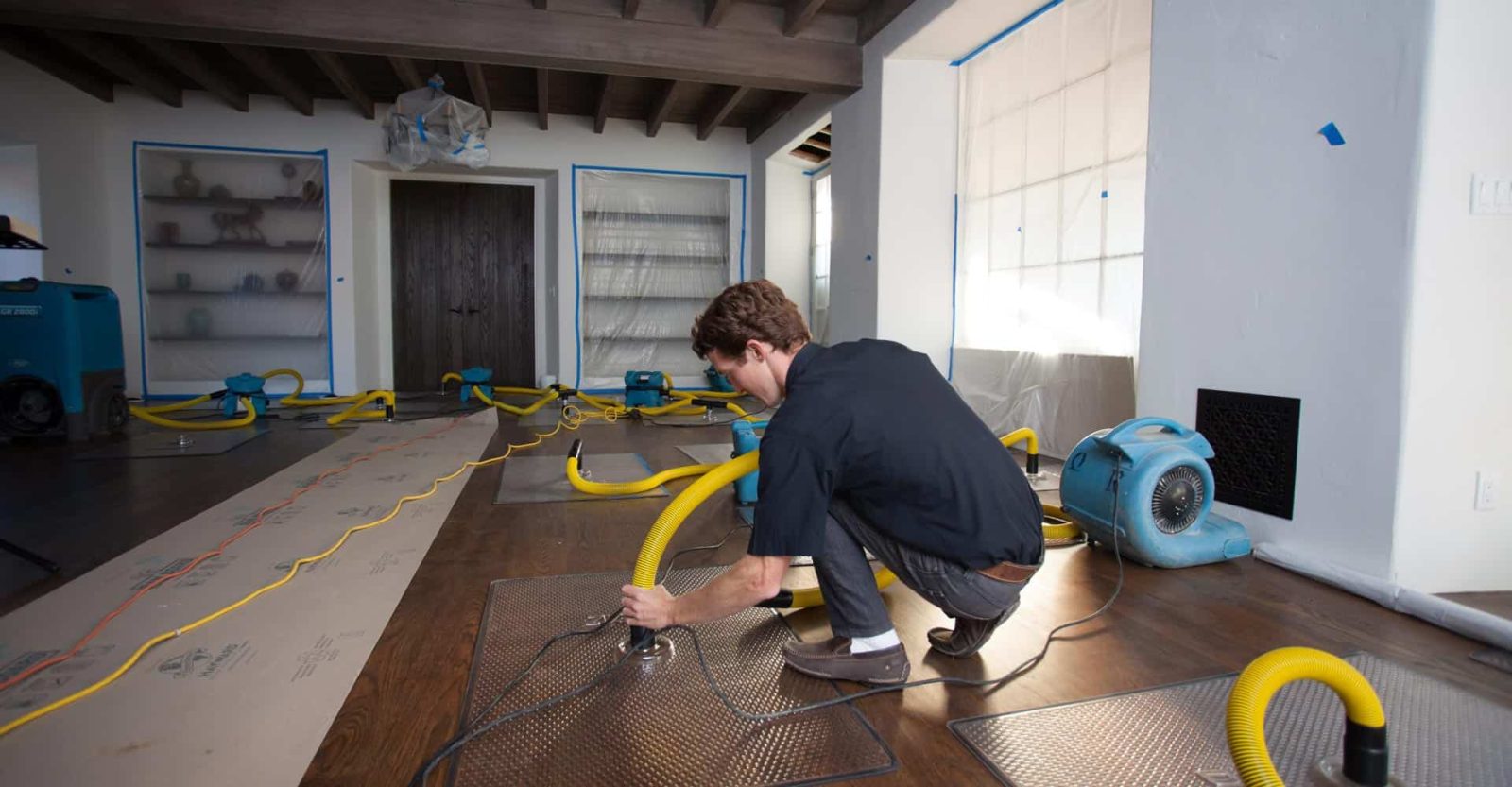
Once the assessment is complete, the restoration team will move into action. The first step usually involves extracting standing water using high-powered pumps and vacuums. Following extraction, techniques such as air movers and dehumidifiers are deployed to dry out impacted areas thoroughly. This is a critical stage as it deters mold growth and additional damage. Professionals may also utilize specialized drying systems that monitor moisture levels in real time to ensure optimal drying conditions.
Restoration vs. Replacement: How to Make the Call
After drying, the next determination is whether to restore or replace affected materials. Key factors in making this decision include the extent of water damage, the type of materials involved, and the timeframe for restoration. In some cases, such as with drywall or carpeting, replacement may be more cost-effective and safer than attempting to restore severely damaged materials. Conversely, in areas where restoration is viable, professionals will undertake repairs, cleaning, and reinstallation as necessary, ensuring that the home is returned to its pre-loss condition.
Preventing Water Damage: Proactive Measures for Homeowners
While understanding and responding to water damage is crucial, prevention is always the best approach. Homeowners can take several proactive measures to minimize the risk of water-related incidents.
DIY Tips for Home Maintenance and Monitoring
Regular home maintenance is perhaps the best strategy for preventing water damage. Homeowners should routinely inspect areas prone to moisture, such as basements, attics, bathrooms, and kitchens. Ensuring that gutters and downspouts are clear from debris allows for efficient water runoff away from the foundation. Installing sump pumps or drainage systems can also help mitigate risks in flood-prone areas. Additionally, consider investing in water leak detection sensors that alert homeowners to potential leaks before they escalate into larger issues.
Understanding Home Insurance: How to Protect Yourself
Homeowners’ insurance plays a pivotal role in protecting against financial loss due to water damage. However, it’s essential to understand the specifics of one’s policy, as not all water damage is covered. Flood insurance, for instance, typically requires a separate policy since general homeowners’ insurance often does not cover flooding events. Be sure to consult with your insurance agent and review your coverage to ensure that it adequately protects against potential water damage scenarios.
Community Resources: Local Contacts and Support Networks
Finally, fostering community connections can provide an additional layer of support in times of crisis. Local resources, such as neighborhood watch programs, local contractors, or community centers, often share valuable information about trustworthy service providers. Community workshops or informational sessions on water damage and restoration can arm homeowners with knowledge and skills to better protect their properties. Additionally, building a network with neighbors can offer immediate assistance during emergencies, further reinforcing communal ties while fostering a safer living environment. With an understanding of water damage, careful consideration when choosing restoration services, knowledge of the restoration process, and proactive measures for prevention, homeowners in Oak Harbor can better safeguard their properties from this often-overlooked threat. In direct alignment with the ever-evolving industry standards and practices, staying informed will empower you to make confident decisions, ensuring both your home and health remain protected from water-related adversities.
FAQ
Question: How often should I conduct routine inspections for water damage? – It’s advisable to conduct routine inspections at least twice a year, focusing on areas like basements, attics, bathrooms, and kitchens where moisture commonly accumulates. This proactive approach can help identify early signs of water damage.
Question: Can I perform water damage restoration on my own? – While minor water damage can sometimes be handled DIY, it’s generally recommended to consult professionals, especially for significant issues. They have the expertise, tools, and knowledge to ensure thorough and safe restoration.
Question: What should I do immediately after discovering water damage? – Firstly, prioritize safety by turning off electricity in affected areas. Then, contact a water restoration professional to evaluate and address the damage, as quick response can minimize further issues.
Question: Will my home insurance cover water damage from a burst pipe? – Typically, homeowners’ insurance covers water damage from sudden incidents like burst pipes, but policies vary. Always check your specific policy and consult your insurance agent for clarification on coverage.
Question: How can I tell if the water damage is significant enough to need professional help? – If you notice lingering moisture, structural issues, or mold growth, it’s a sign that the damage is considerable and requires professional assessment. Ignoring these signs can lead to more severe health risks and property damage.
Question: What materials are most at risk of irreversible damage from water? – Porous materials such as drywall, insulation, carpeting, and wood can sustain irreversible damage quickly when exposed to water. Timeliness in addressing water damage is crucial to salvage these materials.
Question: How long does the water restoration process typically take? – The duration of the restoration process can vary depending on the extent of the damage and the affected areas. Generally, it can take anywhere from a few days to several weeks for full restoration.
Question: Are there eco-friendly options for water damage restoration? – Yes, many professional restoration services now utilize eco-friendly methods, including sustainable cleaning agents and recycling materials to minimize environmental impact during the restoration process.
Useful Resources
- Institute of Inspection, Cleaning and Restoration Certification (IICRC)
- Federal Emergency Management Agency (FEMA)
- National Fire Protection Association (NFPA)
- Environmental Protection Agency (EPA)
- American Red Cross
- Centers for Disease Control and Prevention (CDC)
- Property Damage Appraisal
- AARP (for resources targeted to older adults)