

Key Takeaways
In Lincoln, seasonal allergies are largely triggered by the pollen from ragweed, grass, and trees, particularly in spring and fall. Residents often report symptoms like itchy eyes, runny noses, and frequent sneezing.
Food allergies pose serious health risks, especially for peanuts, shellfish, and tree nuts. Such allergies can lead to life-threatening reactions, making it crucial to be vigilant about reading labels.
Allergies related to animals typically arise from dander, saliva, and urine of pets. Regular cleaning and choosing hypoallergenic breeds can play a significant role in managing these allergies.
Identifying symptoms of anaphylaxis—like difficulty breathing and swelling—is essential, as they necessitate immediate medical attention to avert life-threatening circumstances.
Over-the-counter medications, including antihistamines and nasal sprays, can provide relief from allergy symptoms; however, experts recommend consulting a healthcare provider for personalized treatment options.
An effective allergy action plan is vital. This should detail known allergens, symptoms, emergency contacts, and specific instructions for handling emergencies.
For best outcomes in allergy management, regular consultations with an allergist are important. Ongoing assessments can help adjust treatment plans and ensure that patients receive responsive care.
Understanding Common Allergens in Lincoln
Seasonal Allergens: What’s Causing Your Symptoms?
As spring and fall roll in Lincoln, they don’t just bring beautiful landscapes; they also herald the onset of seasonal allergies. Pollen from trees, grasses, and weeds causes discomfort for many residents. Ragweed and various grasses are frequently behind the symptoms, especially during peak growth. Trees like oak and birch contribute significantly early in spring, as their pollen fills the air.
Recent studies show that roughly 35 million Americans grapple with seasonal allergies, and a notable number of residents in Lincoln find themselves dealing with itchy eyes, runny noses, and sneezing. More than just a hassle, understanding these allergens can be instrumental in managing reactions and setting realistic expectations. For anyone facing severe symptoms, a visit to an allergist is advisable.
- Ragweed: Peaks from late summer to fall.
- Grasses: Active mainly from spring through summer.
- Tree pollen: Early symptoms often associated with oak and birch.
Food Allergies: What Lincoln Residents Need to Know
Food allergies can take a serious toll, often leaving residents anxious about their diets. Peanuts, shellfish, and tree nuts frequently emerge as major culprits. These aren’t just minor concerns; they’re critical health issues that can precipitate life-threatening reactions. Research indicates that food allergies in children are escalating, and many adults report developing new allergies later in life.
Staying alert to ingredient labels and potential cross-contamination is crucial. Dining out can also prove challenging; it’s essential to communicate allergies to restaurant staff. Good communication and education aren’t just helpful—they’re vital to enhancing safety and freedom for those affected by food allergies.
“Food allergies aren’t mere dietary choices; they represent serious medical conditions that demand constant vigilance.”
- Peanut allergies: Among the most common and severe.
- Shellfish: Often triggers intense reactions in adults.
- Dairy: Frequently part of childhood allergies.
Animal Allergies: Managing Reactions and Risks
Animal allergies present another significant hurdle for many in Lincoln. While pets bring joy, they can also trigger allergic reactions due to dander, urine, or saliva. Often, cats and dogs come to mind, but other furry or feathered companions, such as rabbits and birds, can also invoke allergies.
Clients acquiring pets or introducing new animals into their homes should exercise caution, particularly if allergies exist in the family. Effective management can be achieved through various strategies, including frequent cleaning, employing air purifiers, or considering hypoallergenic breeds when adopting a new pet.
- Frequent vacuuming helps keep dander at bay.
- Air purifiers can filter out allergens.
- Regular pet grooming reduces shedding.
Signs of Serious Allergic Reactions
Identifying Anaphylaxis: Symptoms That Require Urgent Care
Recognizing anaphylaxis symptoms is crucial. This severe allergic reaction can progress rapidly after exposure to an allergen. Symptoms may vary, but critical signs include difficulty breathing, facial or throat swelling, a rapid heartbeat, and hives. Immediate attention is essential in these cases.
Some residents might overlook mild reactions, thinking they won’t worsen. However, neglecting initial signs could lead to perilous situations. Raising awareness around these risks benefits allergic individuals, their families, and friends. Understanding allergies in Lincoln, NE, starts with recognizing these threats.
“In the world of allergies, proactive measures can indeed save lives.”
When to Seek Help: Recognizing Life-Threatening Signs
Knowing when to reach out for help can mean the difference between life and death for those managing allergies in Lincoln, NE. The urgency of specific symptoms can’t be understated. If someone experiences breathing difficulties or noticeable swelling, seeking emergency care becomes essential. But what about less severe reactions? It can be tempting to downplay mild symptoms like rashes or digestive issues. For many, connecting the dots can be difficult.
- Get immediate help for any breathing challenges.
- Swelling in the face or tongue must never be ignored.
- Sudden rashes that spread quickly can indicate serious conditions.
Understanding Cross-Reactivity: Other Allergens to Watch For
Cross-reactivity can perplex many allergy sufferers. Here’s the scoop: certain allergens share similar proteins, so someone allergic to one substance might react to another. For example, a known sensitivity to ragweed may also signal a reaction to melons or bananas. Being aware of these connections can enhance one’s capacity to manage allergies effectively.
Evidence suggests that many patients report reactions to foods correlated with their reactions to environmental pollen. This insight can assist individuals in adjusting their diets, potentially avoiding unnecessary discomfort.
- Ragweed pollen may cross-react with some fruit.
- Grass pollen can lead to allergies to tomatoes or peas.
- Birch pollen is linked to reactions to apples, carrots, or hazelnuts.
Effective Allergy Management Strategies
Top Over-the-Counter Remedies Available in Lincoln
Fortunately, residents of Lincoln have access to a variety of over-the-counter (OTC) remedies to help tackle allergy symptoms. Antihistamines, decongestants, and nasal sprays are available for different allergy types. Non-drowsy antihistamines, such as loratadine or cetirizine, might alleviate nasal congestion and itchy eyes.
It’s advisable to consult a healthcare provider when choosing the most suitable OTC medications. A clear understanding of one’s specific allergies generally leads to better management.
- Antihistamines: Effective for sneezing and itchy eyes.
- Nasal sprays: Reduce inflammation and alleviate congestion.
- Decongestants: Relieve stuffy noses.
Creating an Allergy Action Plan: What to Include
Establishing an allergy action plan is a strategic step. Such a plan makes sure everyone is informed about actions to take in the event of an allergic reaction. Begin with a roster of known allergens and symptoms to watch for. Include emergency contacts, medication dosages, and detailed instructions for using an EpiPen to ensure rapid responses.
Educating friends, family members, and coworkers on this plan helps clear up confusion during crucial moments. Understanding roles can be invaluable. A well-structured plan not only fosters confidence but significantly eases anxiety associated with allergies.
- A list of allergens and potential triggers.
- Emergency contact numbers for quick communication.
- Clear actions to take during a reaction, including medication details.
Allergy Testing: What to Expect and How It Can Help
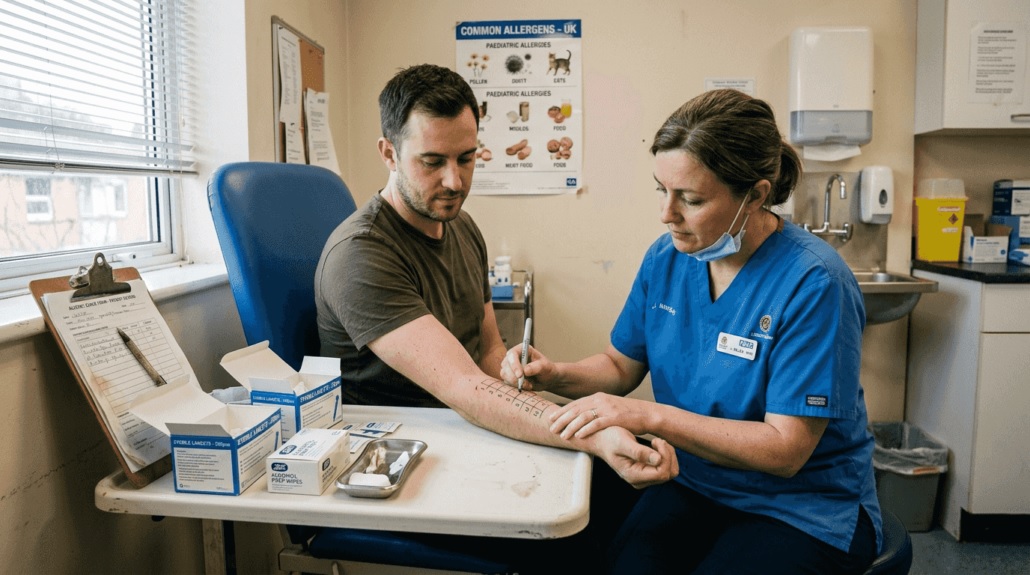
Allergy testing can be essential for those unsure about their triggers. Skin tests or blood tests help identify specific allergens that lead to reactions. Such testing clarifies an individual’s sensitivities, and knowing what to expect can help ease anxiety. Typically, a quick prick or a simple blood draw suffices.
For many residents of Lincoln, gaining insight through testing can elevate management efforts, empowering individuals with knowledge. Often, informed patients are proactive ones.
- Skin tests involve tiny pricks on the skin with possible allergens.
- Blood tests can reveal specific immune responses to allergens.
- Results guide further testing or recommend lifestyle changes.
Accessing Care for Allergies in Lincoln
Emergency Resources: Where to Seek Quick Help
In a vibrant city like Lincoln, knowing where to access emergency allergy care is crucial. Urgent Care facilities provide immediate assistance without the long waits common in hospitals. Trained staff is prepared to evaluate and treat allergic reactions, making these centers a valuable resource.
Local options are plentiful. Residents with severe allergic reactions should go directly to the nearest emergency room or urgent care center. Understanding these resources ahead of time can help alleviate stress associated with allergic incidents.
- Urgent Care facilities: Fast care for non-life-threatening situations.
- Emergency rooms: For severe and life-threatening reactions.
- Local health clinics: Regular care and allergy management.
Choosing the Right Allergist: Tips for Finding Expertise
Selecting the right allergist is key to effectively managing allergies. Recommendations from family or friends can be helpful, but independent research is equally important. Look for board-certified professionals specializing in allergy immunology. Meeting multiple specialists is advisable; feeling comfortable with a doctor is essential for effective treatment.
Prospective patients should ask about the allergist’s approach and treatment recommendations. A suitable match fosters comprehensive care. It’s not merely about credentials; the focus should be on delivering tailored treatments while understanding individual patient needs.
- Seek board-certified allergists.
- Consider their experience with your specific allergies.
- Look for a collaborative treatment approach.
Follow-Up Care: Ensuring Continuous Support for Patients
Regular follow-up visits are crucial for effective allergy management. Consistent assessments with an allergist ensure that a patient’s management plan remains effective and responsive as symptoms change. Ongoing evaluations allow for adjustments in treatments and medications as necessary, creating a flexible response to the patient’s current needs.
Patients should feel encouraged to discuss any concerns during follow-up visits; open communication plays an essential role in effective healthcare. Cultivating a strong relationship between patients and providers fosters a sense of security while allowing individuals to stay proactive about their allergies.
- Schedule visits when symptoms change.
- Discuss any new allergens or triggers.
- Remain informed about the latest treatment developments.
FAQ
What environmental factors contribute to heightened allergy seasons in Lincoln?
Weather patterns significantly influence allergy severity. Increased rainfall can elevate pollen counts because plants, particularly weeds, thrive. On the flip side, dry and windy conditions can spread pollen widely, worsening symptoms for sensitive individuals.
How can residents determine if they have a food allergy versus food intolerance?
Identifying food allergies usually hinges on immediate and severe reactions, such as difficulty breathing or hives, occurring shortly after eating. In contrast, food intolerances typically surface gradually, manifesting as digestive problems. Consulting a healthcare provider can effectively clarify the differences.
What role does immunotherapy play in allergy treatment?
Immunotherapy works by gradually desensitizing individuals to allergens over time. By exposing patients to controlled amounts of allergens, it fosters tolerance and reduces reaction severity. Specialists often advocate for this method for those with persistent or challenging allergies.
How can family members support someone with severe allergies?
Support starts with thorough education. Family members should familiarize themselves with the specifics of the individual’s allergies, recognize symptoms, and understand how to respond during an emergency. Maintaining open communication about the person’s needs fosters a safer environment at home, in schools, and at social events.
Are there any lifestyle changes that can help manage allergies more effectively?
Definitely. Implementing strategies, like keeping windows closed during high pollen seasons, using HEPA filters at home, and avoiding outdoor activities when pollen counts are high, can significantly reduce exposure. Simple adjustments can lead to remarkable improvements in life quality for allergy sufferers.
What home remedies are considered effective for alleviating allergy symptoms?
Home remedies, such as saline nasal rinses, can help clear allergens from nasal passages and reduce congestion. Herbal teas like peppermint or ginger might also provide relief for some individuals, aiding better respiratory function. However, it’s advisable to consult a healthcare provider before trying new remedies.
How do allergies develop over time? Can they change as one gets older?
Indeed, allergies can develop at any age. Research indicates that both environmental exposures and genetic factors can influence the onset of new allergies. While some allergies may decrease with age, new ones can appear unexpectedly later in life, underscoring the importance of continuous assessment.
What community resources are available for allergy sufferers in Lincoln?
Lincoln boasts a range of community resources, including support groups for those with allergies and public educational workshops hosted by local health departments. Residents can also acquire vital information from allergists and healthcare facilities that organize outreach programs focused on allergy awareness and management.
Useful Resources
- Asthma and Allergy Foundation of America (AAFA)
- Allergy Awareness
- Food Allergy Research & Education (FARE)
- National Center for Biotechnology Information (NCBI)
- Centers for Disease Control and Prevention (CDC)
- American Academy of Allergy Asthma and Immunology (AAAAI)
- Mayo Clinic
- Find an Allergist (AAAAI)
- WebMD