

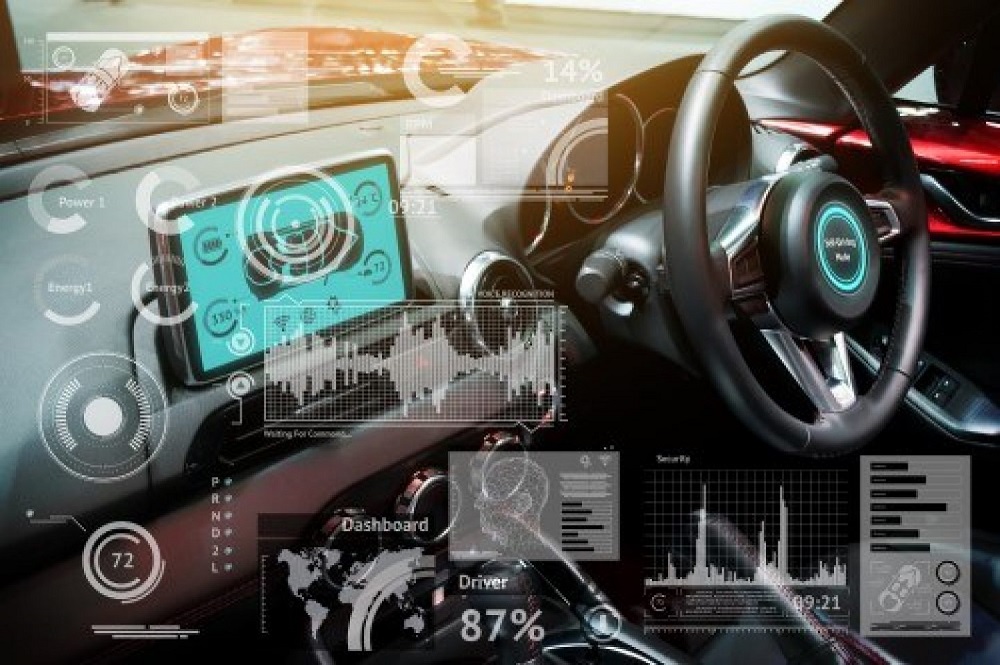
The modern automotive landscape has undergone a profound transformation over the last two decades. For nearly a century, vehicle safety focused almost entirely on passive features designed to protect occupants during an impact. Seatbelts, crumple zones, reinforced cabin structures, and airbags represented the primary lines of defense. While these innovations saved millions of lives, they only functioned once a collision had already begun.
Today, the focus of automotive safety has shifted toward active intervention and proactive awareness. Modern vehicles operate as intelligent sensory hubs equipped with sophisticated hardware and software. By continuously scanning surroundings, processing environmental data, and anticipating hazards, current driver assistance systems expand human perception beyond traditional physical limits. Vehicle technology enhances situational awareness, mitigates human error, and fundamentally reduces the frequency and severity of traffic accidents.
Advanced Driver Assistance Systems and Sensor Fusion
At the core of modern driver awareness is Advanced Driver Assistance Systems, commonly referred to as ADAS. These systems rely on a network of complementary hardware components to build a continuous picture of the environment surrounding the vehicle.
- Radar Units: Radio detection and ranging sensors are mounted in the front bumper and rear quarters. Radar excels at measuring relative velocity and distance to obstacles, operating reliably through adverse weather conditions like fog, rain, and snow.
- LiDAR Modules: Light detection and ranging uses laser pulses to construct precise three-dimensional maps of the vehicle surroundings. LiDAR provides exceptional spatial detail, allowing systems to recognize small obstacles, debris, and subtle road contours.
- Optical Cameras: High-resolution optical cameras mounted behind the rearview mirror and around the perimeter interpret visual information. They read road signs, detect lane markings, identify traffic signals, and differentiate between vehicles, pedestrians, and cyclists.
- Ultrasonic Sensors: Positioned along the bumpers, these short-range sensors specialize in close-proximity detection, proving invaluable during low-speed parking maneuvers and tight spatial navigation.
Individual sensors possess unique strengths and limitations. To resolve single-source blind spots, modern vehicles employ sensor fusion. This processing technique merges spatial data from cameras, radar, and LiDAR into a unified real-time model. Sensor fusion allows the vehicle computer to verify hazards across multiple spectrums, drastically reducing false positives and accelerating reaction speeds when potential collisions emerge.
Real-Time Threat Detection and Collision Mitigation
Human reaction time averages roughly three-quarters of a second under ideal conditions, and significantly longer when a driver is fatigued or distracted. Modern safety systems monitor the road continuously without distraction, identifying sudden hazards and providing instant warnings or direct mechanical intervention.
Forward Collision Warning continuously evaluates the distance and relative speed between the vehicle and objects ahead. If the system detects a rapid decrease in distance that suggests an impending rear-end collision, it issues immediate visual, audible, or tactile alerts.
When a driver fails to react promptly to a Forward Collision Warning, Automatic Emergency Braking engages instantly. By applying full braking power automatically, this technology either halts the vehicle prior to impact or substantially decreases vehicle momentum. Lower speeds at the point of impact reduce kinetic force, which dramatically lowers the likelihood of severe injury or fatality.
Situations involving side and rear blind spots present significant hazards during lane changes and reversing. Blind Spot Detection systems use corner-mounted radar units to monitor adjacent lanes. When another motorist enters an invisible zone, a visual indicator appears in the corresponding side mirror. Rear Cross-Traffic Alert uses similar radar units to scan perpendicular lanes while reversing out of driveways or parking spaces, warning the driver of oncoming traffic obscured by adjacent vehicles.
Lane Tracking and Position Management
Involuntary lane drift remains a primary factor in high-speed highway accidents, often stemming from cognitive fatigue, medical emergencies, or mobile phone distractions. Modern position tracking technologies actively keep vehicles aligned within designated lanes.
Lane Departure Warning acts as a continuous digital monitor for road markings. When the system detects the vehicle drifting over a lane marker without an active turn signal, it alerts the driver via steering wheel vibrations, seat pulses, or auditory chimes.
Lane Keeping Assist takes this safety measure a step further by offering gentle steering adjustments. If the driver does not respond to the departure warning, electric power steering motors gently nudge the vehicle back toward the center of the lane. Advanced Lane Centering technology continuously makes micro-steering adjustments to keep the vehicle strictly centered between lane boundaries, reducing physical strain on the driver during extended highway journeys.
Mitigating Driver Distraction and Cognitive Load
Technology is most effective when it complements human cognition without causing information overload. Distraction and drowsiness remain leading contributors to preventable collisions worldwide. Automobile manufacturers have developed internal systems specifically designed to keep drivers focused on the road ahead.
Driver Monitoring Systems utilize interior infrared cameras directed at the driver face. These systems track eye movement, blink rates, head posture, and facial orientation. If the camera detects extended periods where the driver eyes leave the road, or if prolonged blinking indicates impending sleep, the vehicle initiates progressive warnings. These warnings range from audio chimes to seat vibrations, ultimately suggesting a temporary rest break on the main dashboard display.
Heads-Up Displays improve external awareness by projecting vital driving information directly onto the lower portion of the windshield. Key metrics such as current speed, speed limits, adaptive cruise control settings, and turn-by-turn navigation arrows float within the natural line of sight. By removing the need to lower eyes toward a traditional instrument cluster or center console display, Heads-Up Displays ensure that driver attention remains anchored on the physical road.
Connected Vehicle Networks and Environmental Perception
While onboard sensors transform local perception, Vehicle-to-Everything communication extends driver awareness far beyond physical sightlines. Vehicle-to-Everything networks allow vehicles to share continuous telemetry data with surrounding cars, infrastructure components, and vulnerable road users.
Vehicle-to-Vehicle communication enables neighboring cars to exchange data regarding location, speed, direction, and braking status multiple times per second. If a vehicle several hundred yards ahead engages in hard emergency braking, trailing vehicles receive immediate warning signals long before the physical brake lights become visible around curves or through heavy fog.
Vehicle-to-Infrastructure communication connects cars to traffic control centers, intelligent traffic lights, and construction zones. Drivers receive real-time notifications about changing signal patterns, optimal speed recommendations to catch green lights, active construction hazards, and icy bridge decks ahead. By providing advance notice of regional hazards, connected vehicle networks create a collaborative safety environment across entire transportation corridors.
Advanced Lighting Systems and Vision Enhancement
Statistically, nighttime driving carries a significantly higher accident fatality rate compared to daytime driving, primarily due to diminished visibility and reduced spatial perception. Modern illumination technology addresses these issues through dynamic adaptive lighting and thermal vision.
Adaptive Front-Lighting Systems shift the direction of headlight beams in real time according to steering wheel angle, vehicle speed, and pitch. Rather than pointing straight ahead while navigating a dark curve, adaptive headlights pivot into the turn, illuminating pedestrians, animals, or stalled vehicles hidden around the bend. Automatic high-beam systems utilize windshield cameras to detect oncoming headlights or preceding taillights, toggling high beams on and off automatically to maximize visibility without blinding other motorists.
Night vision assistance systems integrate long-range thermal infrared sensors into the front grille. These sensors detect thermal energy emitted by living objects, displaying a high-contrast thermal image on the digital gauge cluster. Pedestrians, cyclists, and wildlife appear brightly highlighted against dark backgrounds, enabling drivers to identify potential hazards long before standard halogen or light-emitting diode headlights illuminate them.
The Role of Technological Synergy in Modern Safety
Modern automotive safety does not rely on a single breakthrough feature. Instead, safety stems from the synergy of dozens of interconnected digital subsystems working together in real time. Sensors collect regional environmental data, internal cameras track driver attentiveness, processing modules evaluate collision trajectories, and electro-mechanical actuators intervene when danger emerges.
By reducing the cognitive burden on motorists, filtering out environmental hazards, and offering instant intervention during emergencies, advanced vehicle technology transforms driver awareness. While automated technologies continue to advance toward higher levels of autonomy, current active safety features ensure that human drivers remain fully informed, properly oriented, and significantly safer behind the wheel.
Frequently Asked Questions
How do heavy rain or snow affect radar and LiDAR sensors in modern vehicles?
Heavy precipitation like torrential rain, dense fog, or packing snow can refract, absorb, or reflect light and radio waves, potentially reducing sensor precision. While radar handles inclement weather far better than optical cameras or LiDAR, severe accumulation of ice or dirt directly over physical sensor housings can temporarily obstruct performance. Modern vehicles notify the driver with a dashboard message when sensor surfaces are covered and require manual cleaning.
What are the key distinctions between Level 2 and Level 3 autonomous driving systems?
In a Level 2 automated system, the vehicle manages both steering and acceleration simultaneously, but the human driver remains fully responsible for monitoring the environment and must maintain hands on the wheel or eyes on the road at all times. In a Level 3 system, the vehicle takes over environmental monitoring within specific operating conditions, allowing the driver to legally disengage from continuous vehicle operation until the system requests manual takeover.
Can aftermarket safety devices offer the same level of protection as factory-installed driver assistance systems?
Aftermarket devices like dashcams with lane departure warnings or plug-in blind spot monitors can improve general awareness, but they rarely match factory-installed systems. Built-in OEM systems feature deep integration with the braking powertrain, electrical modules, and power steering, allowing them to perform automatic evasive maneuvers or emergency stopping rather than simply issuing visual or audio alerts.
How do cybersecurity measures protect connected vehicle safety systems from remote tampering?
Automotive manufacturers secure connected vehicle architecture through encrypted cellular channels, hardware security modules, robust firewalls, and segregated onboard controller networks. Critical mechanical domains like braking and steering are isolated from public infotainment networks, preventing unauthorized external signals from interfering with essential dynamic safety operations.
What role do advanced tire pressure monitoring systems play in preventing highway blowouts?
Modern tire pressure monitoring systems use direct pressure sensors mounted inside each wheel hub to track tire pressure and temperature continuously. By instantly alerting drivers to gradual pressure loss or thermal spikes long before physical structural failure occurs, these systems prevent high-speed blowouts, preserve directional stability, and optimize tire traction.
How do vehicle insurance providers adjust premiums for cars equipped with modern safety technology?
Many insurance providers offer discounts for vehicles outfitted with active safety packages, particularly systems like Automatic Emergency Braking and Blind Spot Detection. Insurance industry statistics demonstrate that these features measurably lower collision rates and property damage claims, allowing carriers to pass premium savings directly onto vehicle owners.
What maintenance practices are required to keep safety sensors accurately calibrated over time?
Sensors require precise alignment to function properly. Calibration checks are required after windshield replacements, front-end collisions, bumper repairs, or wheel alignment adjustments. Specialized technicians use physical target boards, laser levelling tools, and computerized diagnostic tools to perform static and dynamic recalibrations, ensuring sensor axes remain precisely aligned with the path of travel.