

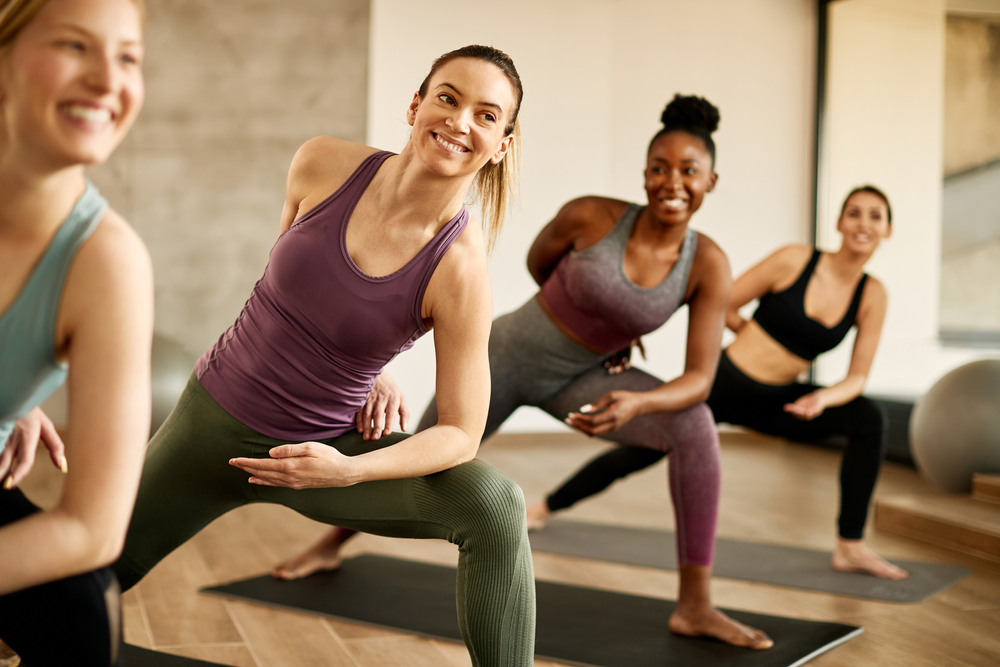
Fitness class progress is often measured through calories, heart rate, heavier resistance or simply completing more sessions. These measures can be useful, but they do not show whether movement has become more controlled. A participant may work harder while continuing to rush transitions, lose balance or depend on constant instructor correction.
High-quality fitness classes singapore can track progress through skill as well as effort. Better timing, stable range, appropriate scaling and confident equipment setup are meaningful outcomes. Skill quality helps members use intensity more effectively instead of merely adding it.
Attendance Is Exposure, Not Proof of Mastery
Regular attendance creates opportunities to learn, but the number of visits does not reveal what improved.
A member may attend weekly while changing position every session or selecting a resistance that prevents good execution. Another may attend less frequently but practise carefully and become more independent.
Attendance supports progress when it produces repeatable, purposeful exposure. It should be interpreted alongside skill.
Technique Should Be Defined for the Class
“Good form” is too vague. Each movement needs a few observable standards appropriate to the class format.
For a squat, the instructor may look for stable foot contact, a controlled depth and an organised return. For cycling, setup and smooth pedal control may matter. For a choreographed class, timing and direction may be central.
The standard should allow individual variation. Members do not need identical limb angles to demonstrate control.
Range Quality Matters More Than Maximum Range
Participants often assume deeper or larger movement is always progress. Range becomes useful when the member can control it.
A smaller squat performed with balance and consistent rhythm may be more appropriate than a deeper repetition that collapses at the bottom.
Progress can involve gradually expanding range while maintaining the same standards. The instructor should provide a clear option rather than repeatedly calling for “more”.
Timing Is a Trainable Skill
In music-based or interval classes, timing helps members prepare for movement and distribute effort.
Progress may appear as fewer missed changes, better coordination with the beat or the ability to slow down without losing the sequence.
Members should not sacrifice position to catch up. Missing one repetition and rejoining safely is a better skill than rushing through several poor ones.
Equipment Setup Shows Growing Independence
A member who can select a suitable weight, adjust a bike or position a step platform has developed practical skill.
The instructor can observe whether setup becomes faster and safer across sessions. Members should understand why a setting is used rather than memorising a number without context.
Equipment may differ between studios. Skill includes knowing how to reassess a setup, not only reproducing one familiar configuration.
Scaling Is a Sign of Judgment
Using a modification is sometimes treated as failure. In reality, selecting the appropriate version demonstrates awareness.
A skilled participant can change impact, range or resistance before technique breaks down. They do not wait until they are completely exhausted.
Instructors should present options neutrally and explain the shared training goal. This keeps scaling connected to the class rather than separating participants into fixed ability groups.
Late-Class Quality Reveals Pacing
Movement in the final third of a class can show whether the member selected an appropriate opening effort.
If range, timing and balance remain reasonably consistent, pacing was likely effective. A major collapse may indicate excessive resistance or speed.
The objective is not perfection under severe fatigue. It is preserving enough quality that the intended exercise remains recognisable.
Skill Progress Can Be Logged Simply
Members do not need a complex scoring system. A short note after class may capture:
- one movement that felt more controlled;
- one transition that remained difficult;
- resistance used;
- modification selected;
- whether timing held late in class;
- one question for the instructor.
This record directs attention towards improvement rather than only estimated calorie burn.
Instructor Feedback Should Be Specific
General praise feels encouraging but does not always teach. Feedback becomes useful when it names the successful action.
“You kept the landing stable through the final round” provides more information than “great job”. A correction should also be concise enough to apply during movement.
In a large class, instructors cannot coach every detail. They should prioritise safety and the most relevant class standard.
Skill Does Not Eliminate Effort
Better technique can make a class feel easier because less energy is wasted. The next step may be a modest increase in resistance, range or speed.
Intensity should rise only while skill remains present. If adding weight removes timing and control, the progression was premature.
The member can return to the previous option without treating it as permanent regression.
Comparing Participants Distorts Skill Assessment
People enter classes with different experience, mobility, body proportions and training histories. The person moving fastest is not automatically the most skilled.
Members should compare their current execution with their previous sessions under similar conditions.
Leaderboards and front-row visibility can encourage competition. Instructors can redirect attention towards repeatability, pacing and personal setup.
New Classes Require a Learning Period
A strong participant can still feel uncoordinated in an unfamiliar format. Fitness does not instantly transfer to choreography, equipment or cue language.
The first sessions should prioritise orientation and base movements. Resistance and impact can increase after the sequence becomes familiar.
This learning period prevents members from mistaking confusion for lack of fitness.
Video Is Not Always Necessary
Class video may be restricted for privacy, and one angle can miss important details. Members can develop skill through instructor feedback and internal cues.
Where recording is permitted, it should answer a specific question and avoid capturing others.
The member should not become dependent on visual review after every session. Feeling stable pressure, controlled breathing and repeatable timing are useful forms of feedback.
Skill Quality Supports Long-Term Participation
Members who understand class movements can adjust during crowded, stressful or low-energy days. They are less dependent on perfect conditions.
Competence can also improve enjoyment. The participant spends less attention decoding the sequence and more attention engaging with the intended training.
This can strengthen retention more effectively than continually increasing intensity.
Studios Can Measure More Than Attendance
Class programmes can define skill milestones such as safe equipment setup, controlled low-impact options and consistent pacing.
These milestones should not become public rankings. They can guide instructor feedback and help members recognise progress that body weight or wearable data misses.
When participating through True Fitness Singapore, members can ask instructors which two or three movement standards matter most in a chosen class. This gives them a practical focus for the next session.
Fitness class progress becomes more complete and meaningful when skill quality is visible. Improved control, timing and judgment allow members to use effort productively and carry class lessons into other forms of training.
Frequently Asked Questions
How can I measure class progress without wearable data?
Track movement control, resistance choice, pacing, recovery, transition confidence and how much instructor correction you need.
Is using a modification a lack of progress?
No. Selecting the right option at the right time demonstrates judgment. Progress may later allow a different version while preserving quality.
Should I increase weight whenever a class feels easier?
Not automatically. Confirm that range, timing and technique are stable, then make a modest change if it supports the class goal.
Why am I strong in the gym but uncoordinated in class?
Strength and class skill are different qualities. Choreography, cue interpretation and transitions require their own learning period.
What feedback should I ask an instructor for?
Ask for one priority that would improve the movement most. A focused cue is easier to apply than a long list during class.