

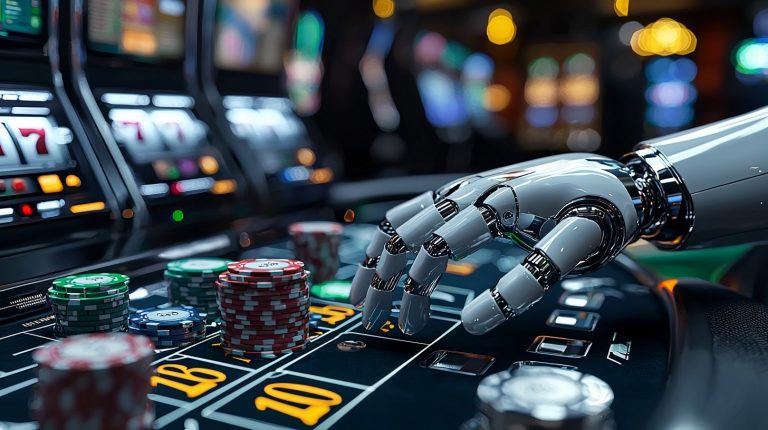
The gaming industry has long stood at the forefront of experiential design, customer service, and technological integration. From the lavish architecture of classic resort floors to the modern digital interfaces of online gaming, casino operators continuously seek fresh methods to engage visitors. Historically, casino hospitality relied on floor hosts, physical chips, and traditional entertainment offerings. While these foundational elements remain, modern operations depend heavily on technological innovation to elevate the entire guest journey.
Today, innovation in the casino sector reaches far beyond adding brighter lights or faster slot machines. It encompasses sophisticated data analytics, seamless digital payment infrastructures, personalized loyalty systems, immersive visual displays, and mobile integrations. By marrying physical hospitality with digital convenience, contemporary casinos create frictionless environments that cater to evolving consumer expectations, ensuring guests enjoy heightened convenience, safety, and engagement.
Digital Onboarding and Mobile Guest Management
One of the most significant shifts in physical and digital casino environments is the elimination of procedural friction. Traditionally, arriving at a casino resort involved waiting in long check-in lines, filling out physical paperwork for rewards cards, and handling cash at cage windows. Modern operators have overhauled these touchpoints using integrated mobile application ecosystems.
- Digital Check-In and Keyless Room Entry: Guests can complete identity verification and room registration on their smartphones prior to arrival. Digital room keys stored in smartphone wallets allow visitors to proceed directly to their hotel suites without standing at front desk counters.
- Mobile Wallet Integration: Digital wallets allow patrons to fund their gaming accounts, purchase dining experiences, and pay for entertainment directly from their mobile devices. Cashless gaming interfaces streamline floor transactions while reducing the physical logistics of managing currency.
- Virtual Queue Management: Restaurant reservations, night club access, and poker table waiting lists are increasingly managed through smart queuing platforms. Guests receive real-time text notifications when their table is ready, allowing them to explore the venue freely rather than standing in physical lines.
By shifting administrative tasks to intuitive mobile interfaces, casinos remove initial travel stress. Visitors can immediately immerse themselves in the property amenities, resulting in a far more relaxed and enjoyable start to their stay.
Personalization Through Data Analytics and Machine Learning
Modern casino resorts operate vast ecosystems that include gaming floors, fine dining restaurants, retail outlets, spas, and performance venues. Behind the scenes, sophisticated customer relationship management platforms and machine learning algorithms work in tandem to unify these disparate offerings into a cohesive, personalized guest experience.
Rather than offering generic promotions, automated analytics platforms evaluate guest preferences in real time. If a visitor consistently frequents specific culinary establishments or prefers particular styles of entertainment, the casino mobile application can surface tailored dining invitations or priority ticket offers.
On the gaming floor, smart loyalty systems recognize player preferences, allowing operators to offer customized rewards that align with individual tastes. This level of hyper-personalization transforms standard rewards programs into thoughtful guest care. Patrons feel valued as individuals rather than anonymous visitors, fostering long-term brand affinity and improving overall satisfaction.
Cashless Gaming and Financial Technology Solutions
The transition toward a cashless economy has accelerated rapidly across retail, hospitality, and entertainment sectors, and casinos are aggressively adopting these secure financial technologies. Digital payments improve convenience for patrons while enhancing operational security and transparency across the gaming floor.
Modern cashless systems allow players to transfer funds securely from their personal bank accounts or digital wallets directly to a slot machine or table game using Bluetooth technology or Quick Response codes. This eliminates the need to carry large volumes of physical currency or make repeated trips to automated teller machines.
Furthermore, cashless ecosystems incorporate automated responsible gaming tools. Players can set personal budget limits, establish session time limits, and monitor their spending history directly within their digital account dashboards. By providing transparent, real-time financial tracking, technology empowers guests to manage their entertainment responsibly within comfortable boundaries.
Immersive Display Environments and Next-Generation Gaming Floors
The physical atmosphere of a casino plays a crucial role in shaping visitor perceptions. Recent innovations in visual display technology, spatial audio, and spatial design have transformed static casino floors into dynamic, multi-sensory environments.
High-resolution MicroLED display walls, curved gaming cabinets, and directional audio systems create deeply immersive gaming experiences. Slot machines now incorporate tactile feedback, ergonomic seating with integrated headrest speakers, and high-definition narrative displays that resemble modern video game consoles.
Beyond individual gaming units, property-wide visual integration creates mesmerizing public spaces. Large-scale digital art installations, dynamic lighting systems that adjust based on the time of day, and synchronized media displays turn architectural corridors into visual attractions. These aesthetic upgrades ensure that even non-gaming guests remain entertained and visually engaged throughout their visit.
The Evolution of Hybrid and Live Dealer Online Gaming
The line between land-based casino resorts and digital platforms continues to blur through the expansion of hybrid gaming solutions. For guests who enjoy the social interaction of traditional table games but prefer the speed and interface of digital play, hybrid table systems offer the ideal balance.
Stadium gaming layouts feature physical dealers managing real cards or roulette wheels surrounded by dozens of individual electronic betting terminals. This configuration allows players to participate in multiple games simultaneously at their own pace, offering lower minimum bets and reduced intimidation for novice players learning game rules.
Conversely, for digital platforms, live dealer streaming technology brings authentic casino floor atmospheres directly to personal screens. High-definition camera arrays, optical character recognition technology, and real-time chat interfaces allow remote players to interact with professional dealers and fellow participants. This bridge between physical and digital realms provides absolute flexibility in how and where users choose to engage with gaming entertainment.
Artificial Intelligence in Customer Support and Operations
Delivering exceptional service across massive resort properties requires continuous operational oversight. Artificial intelligence platforms and conversational natural language processing tools have become fundamental to managing high volume customer inquiries efficiently.
AI-powered virtual concierges embedded within casino mobile applications and messaging channels answer guest questions instantly. Whether a patron needs directions to a specific show venue, updated pool hours, or assistance with room service orders, digital assistants provide instant, accurate responses at any hour of the day.
On an operational level, computer vision systems and predictive maintenance algorithms monitor resort infrastructure. Sensor networks track machine performance to identify mechanical issues before hardware fails, ensuring slot cabinets and interactive kiosks remain operational. By automating routine inquiries and maintenance tasks, human staff members can concentrate their efforts on delivering warm, high-touch personal hospitality where it matters most.
Enhancing Security and Player Protection
A elevated user experience relies heavily on a safe, secure, and fair environment. Modern casinos leverage cutting-edge surveillance technology, biometric verification, and advanced network security to safeguard both physical assets and sensitive guest data.
Advanced facial recognition technology and intelligent video analytics assist security personnel in identifying banned individuals or known bad actors as soon as they step onto the property. This proactive security posture maintains a safe environment for legitimate guests without creating intrusive physical checkpoints.
Simultaneously, cybersecurity frameworks protect the massive volume of personal and financial data moving through casino networks daily. End-to-end encryption, multi-factor authentication, and continuous network monitoring ensure that digital transactions and personal profiles remain completely secure, allowing patrons to enjoy their stay with total peace of mind.
Frequently Asked Questions
How do digital wallets improve safety for casino guests?
Digital wallets eliminate the need for patrons to carry large sums of physical cash through public areas, significantly reducing the risk of loss or theft. Furthermore, digital transactions are protected by robust security protocols, including biometric authentication such as facial recognition or fingerprint scans, multi-factor verification, and end-to-end encryption.
What are the main benefits of stadium gaming for beginner players?
Stadium gaming offers a comfortable environment for beginners because it eliminates the social pressure often felt at traditional crowded gaming tables. Players sit at individual electronic terminals where they can take their time placing bets, review rules on clear digital screens, and enjoy lower minimum bet limits while still experiencing the excitement of a live dealer running the game.
How do modern casinos use artificial intelligence to promote responsible gambling?
Artificial intelligence algorithms can analyze player data patterns in real time to identify behaviors associated with potential problem gambling, such as sudden increases in session duration, rapid bet escalation, or erratic play patterns. When these flags occur, automated systems can prompt cooling-off reminders, enforce pre-set spending caps, or notify floor staff to offer assistance and responsible gaming resources.
What role does artificial intelligence play in managing casino resort operations?
Artificial intelligence streamlines resort operations by handling high volumes of routine guest inquiries through virtual concierges, predicting peak occupancy hours to optimize staffing levels, and monitoring slot machines and hardware for predictive maintenance needs. This operational efficiency ensures facilities run smoothly and frees up staff to focus on personalized guest service.
How do land-based casinos integrate their physical rewards programs with mobile gaming apps?
Modern operators utilize unified database platforms that link physical loyalty cards directly to digital app accounts. This integration allows guests to earn reward points seamlessly whether they are playing on a physical machine on the resort floor, dining at a property restaurant, or participating in digital gaming through the official mobile application, creating a single consolidated point balance.
Why are high-definition display technologies like MicroLED so important on modern casino floors?
High-definition displays like MicroLED offer exceptional brightness, color vibrancy, and energy efficiency, making screens clearly visible even under complex venue lighting. These visual technologies allow operators to create dynamic digital art, highly engaging game graphics, and multi-screen entertainment setups that elevate the visual appeal and modern atmosphere of the entire facility.
How does facial recognition technology contribute to guest comfort?
Facial recognition allows security teams to identify authorized VIP guests for personalized greetings while swiftly detecting banned individuals, self-excluded gamblers, or trespassers before they enter main floor areas. By automating threat detection behind the scenes, the system maintains a secure atmosphere without causing friction or delay for regular visitors entering the resort.